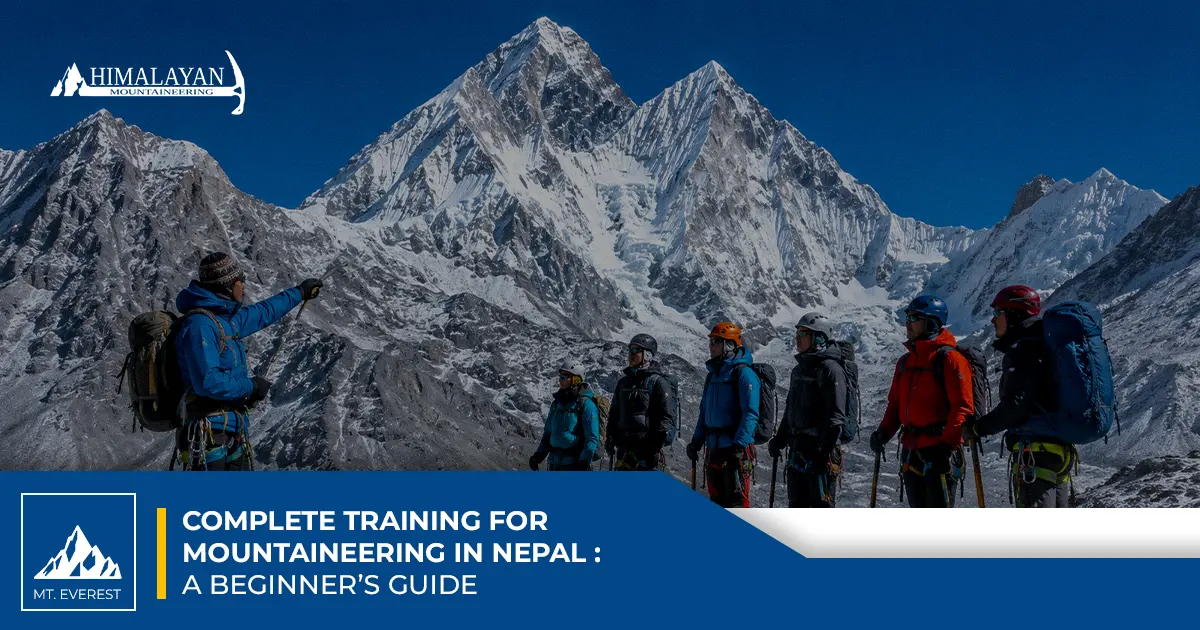
Owing to its spectacular scenery, Nepal is a climber’s paradise. Apart from being the home to several spectacular trekking (or trekking) peaks, Nepal is also the home to some light among the tallest peaks in the world. However, to make it to the summit; a climber needs to do more than just be enthusiastic about mountaineering. In Nepal, mountaineering training is very important to get into the shape, and gain the required set of skills as well as develop the self-confidence required to take the voyage of climbing the Himalayan mountains.
Most beginners assume that simply having the right mountaineering equipment and the necessary permits will be enough; in actual sense, physical and mental preparation plays a key role in deciding if the climber will reach success.
Why Training is Important
The conditions of the Himalayas can be considered tough. There are tough slopes, variable climate, altitude, and prolonged periods of hard work involved in mountain trekking. If you do not train properly beforehand, even experienced travelers will find themselves having problems.
Good training before mountaineering in Nepal contributes to development of endurance, improves muscular condition, and allows the body to perform optimally under tough mountain conditions. It also makes injuries less likely and contributes to general confidence during climbing.
Develop Endurance First of All
Endurance training is key to mountaineering fitness. The majority of climbing days consist of several hours of constant activity, mostly with a backpack on.
Such activities as hiking, jogging, cycling, and stair-climbing are great ways to develop your cardiovascular endurance. Begin with shorter durations of training and then slowly but surely increase the amount of time spent on them. You should be working out 4-5 times a week at a moderate pace.
If you are getting ready for training for mountaineering in Nepal, hiking with a heavy backpack is the best exercise to try.
Strength Training for Climbers
The strength of leg and core muscles is essential for a climber. Climbing on mountain trails requires balance and stability.
Squats, lunges, step-ups, and plank exercises are useful for gaining strength in these areas. Two to three strength training sessions per week will be sufficient for beginners.
Training for Mountaineering in Nepal needs to be aimed at gaining general strength rather than bulking up. You will need endurance and stability rather than muscle mass.
Basic Skills of Mountaineering
Apart from being physically fit, it is necessary to gain some technical knowledge about mountaineering. Your goals of climbing will determine which skills will be needed – crampons, ice axe, and rope use are just a few of them.
Enrolling in a beginner’s course or hiring an experienced guide can provide some practical experience in preparation for training in Nepal for mountaineering. Most climbers find out that learning mountaineering skills is one of the most exciting moments during preparation.
Understanding High Altitude
Altitude is one of the serious issues in Nepal. When there is high altitude, the level of oxygen drops and thus it becomes harder to perform physical activity.
While you cannot replicate the aspects of high altitude at home, good fitness and the right acclimatization help you adapt better. For instance, you need to be adequately hydrated, eat well and recognize the symptoms of altitude sickness.
Being mentally prepared
Climbing is not only a physical challenge but also mental. You will come across changing weather, challenging terrains, and unexpected things during climbing. Mental strength helps you remain composed in tough conditions when the weather is changing or you are faced with difficult situations. You must set realistic goals, be optimistic and keep discipline during your preparation for climbing.
Success Tips for Climbing in Nepal
One assurance beginners have is that with the help of a reputed expedition organization, they can be successful in the climbing venture. In the important stage of beginning climbers, guide companies like Himalayan Mountaineering are beneficial in training, helping in selection of equipment, and organizing routes.
The expeditions undertaken by the Himalayan Mountaineering offers all information related to the climbing process in Nepal.
Why Select Himalayan Mountaineering?
When taking into account mountaineering training, it is important to remember that partial training should be based on the advice from professionals. Himalayan Mountaineering was founded by expert mountaineers and adventure world leaders, who have plenty of experience in mountaineering, trekking, skiing and expedition. The company now offers professional consulting services, expertise in professional expeditions along with a large number of other important things that can ensure your safety and success.
Conclusion
Mountaineering training in Nepal is very essential when it comes to doing well with mountaineering in the mountainous areas. Mountaineering well includes such aspects as stamina, physical strength, skill, altitude, and mindset. It is very essential that people who are new understand what they will go through in the Himalayas before attempting to climb there.
FAQ. (Himalayan Mountaineering)
1. How long before the mountaineering expedition in Nepal should I prepare for it?
The beginners are recommended to have their training for mountaineering preparation at least for three to six months before their expedition.
2. Which exercises can be regarded as effective in preparing for mountaineering?
The most appropriate exercise in preparing for mountaineering is backpacking as it conveys the significance of climbing.
3. Are technical climbing skills essential for beginners in climbing trekking peaks?
Yes. There are some trekking peaks that require at least elementary climbing skills and knowledge in the use of crampons and fixed ropes. Training beforehand will be a good idea.
4. Is it possible for beginners to take part in a mountaineering expedition in Nepal?
Definitely, there are a lot of trekking peaks that are accessible for beginners and climbers if they receive appropriate training for mountaineering preparation in Nepal.