Loading
Preparing your Himalayan journey
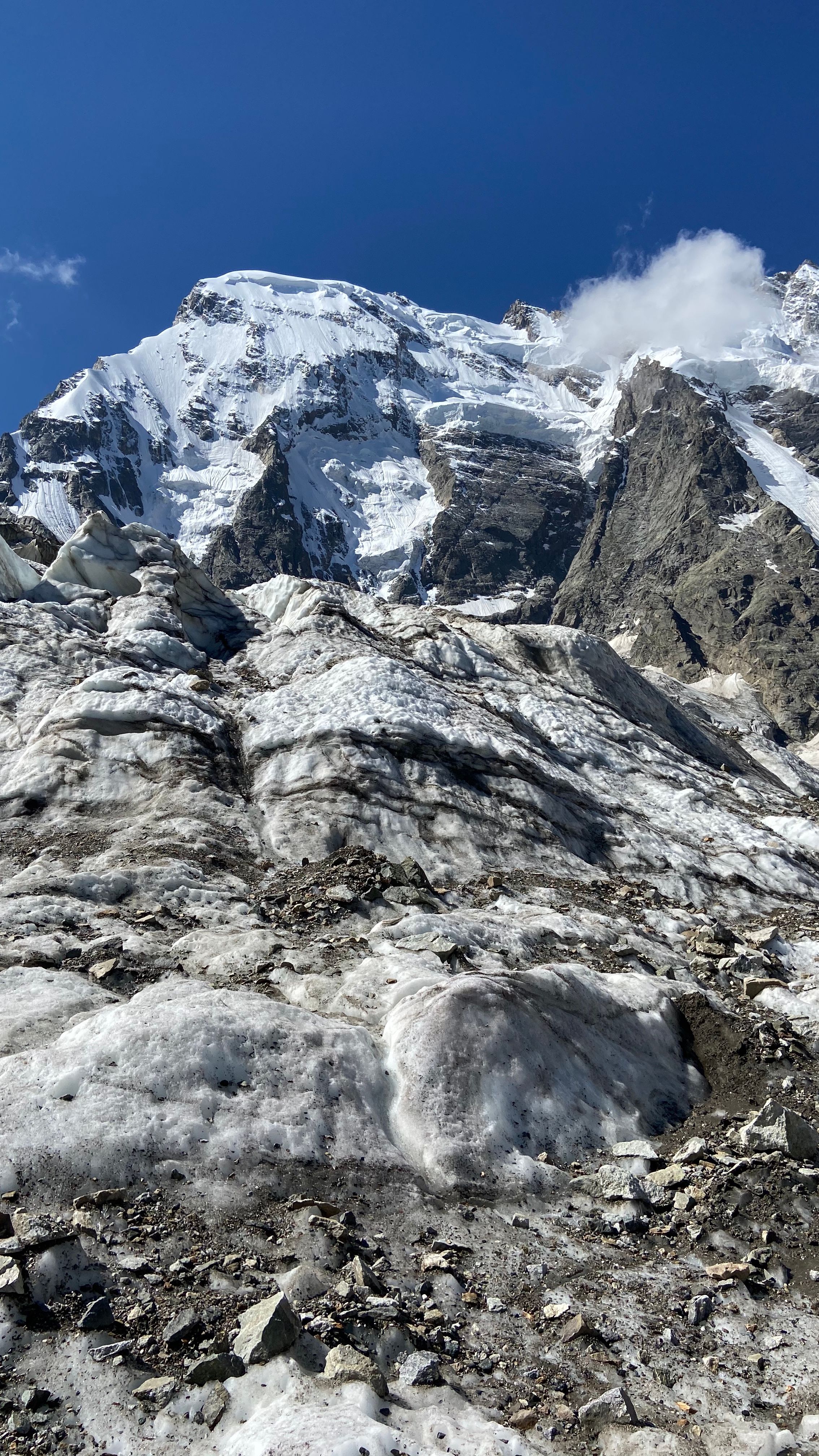
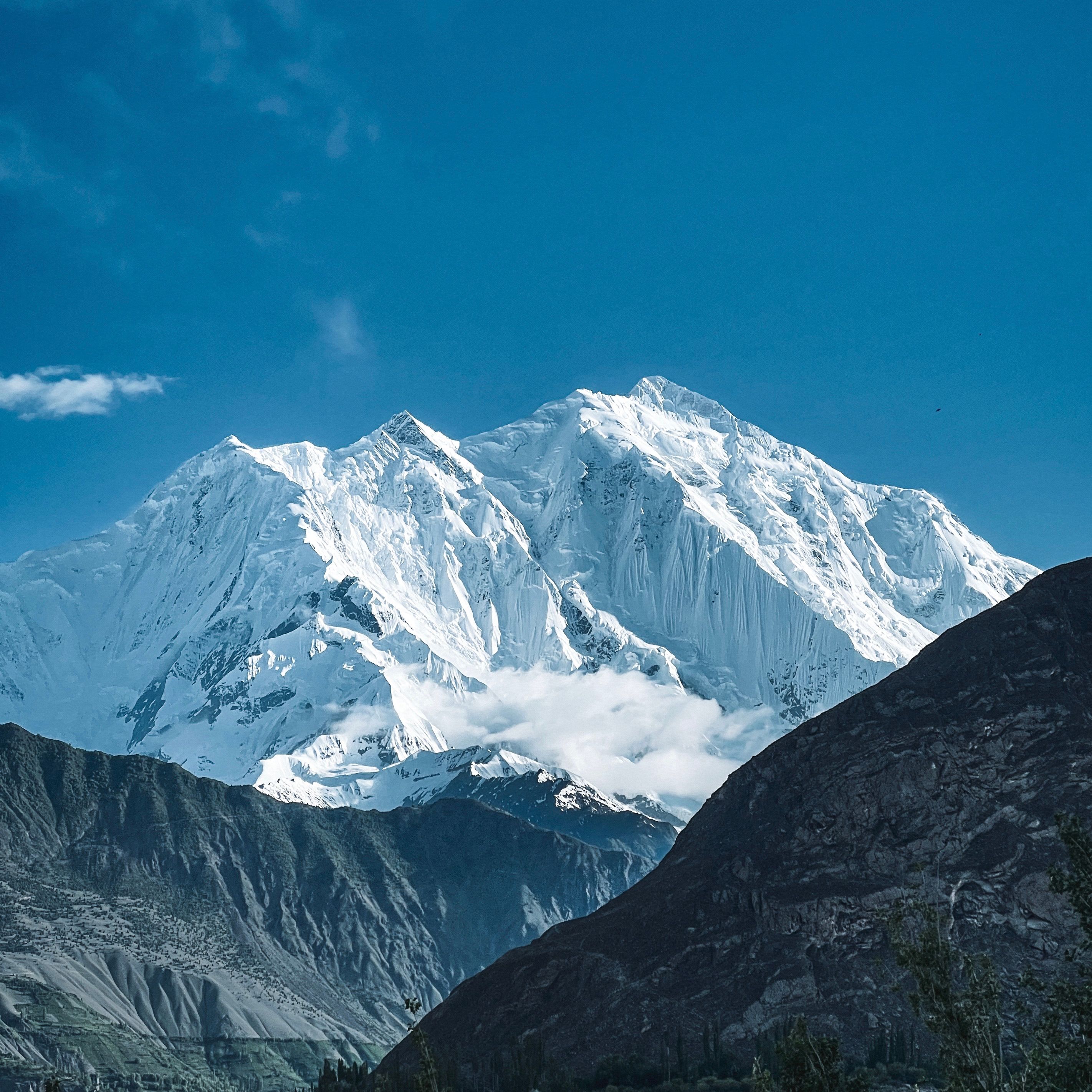
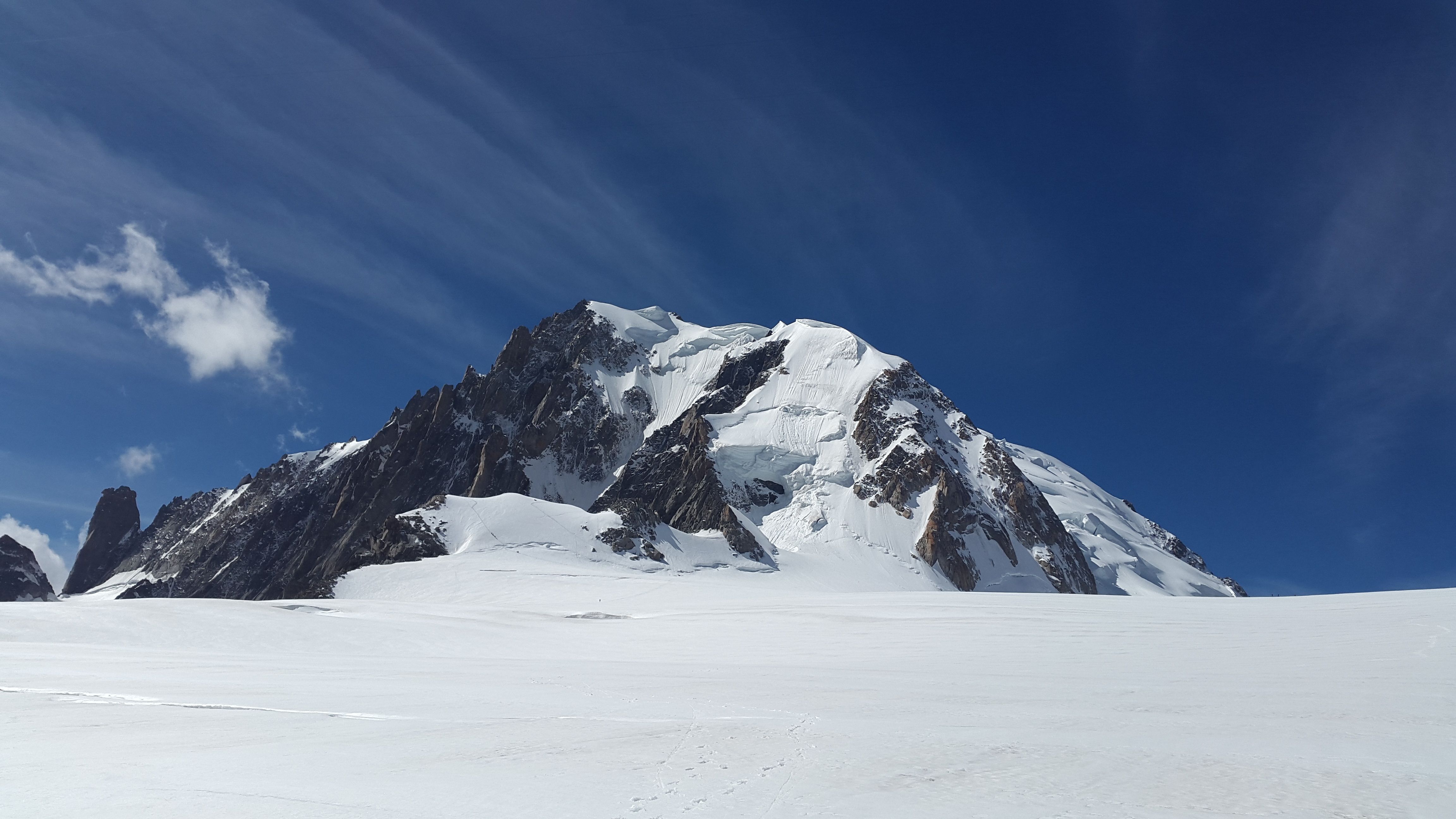
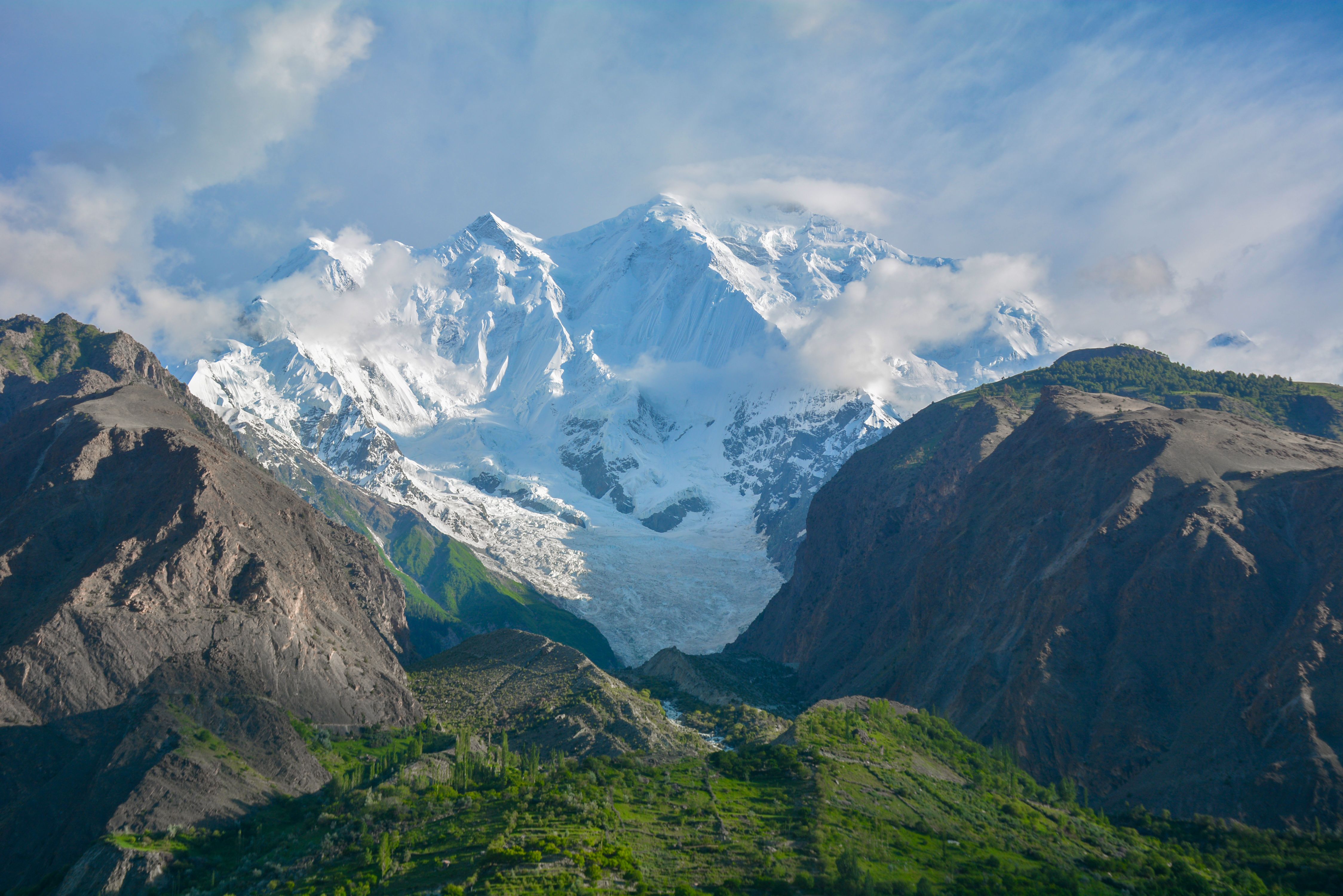
Broad Peak Expedition
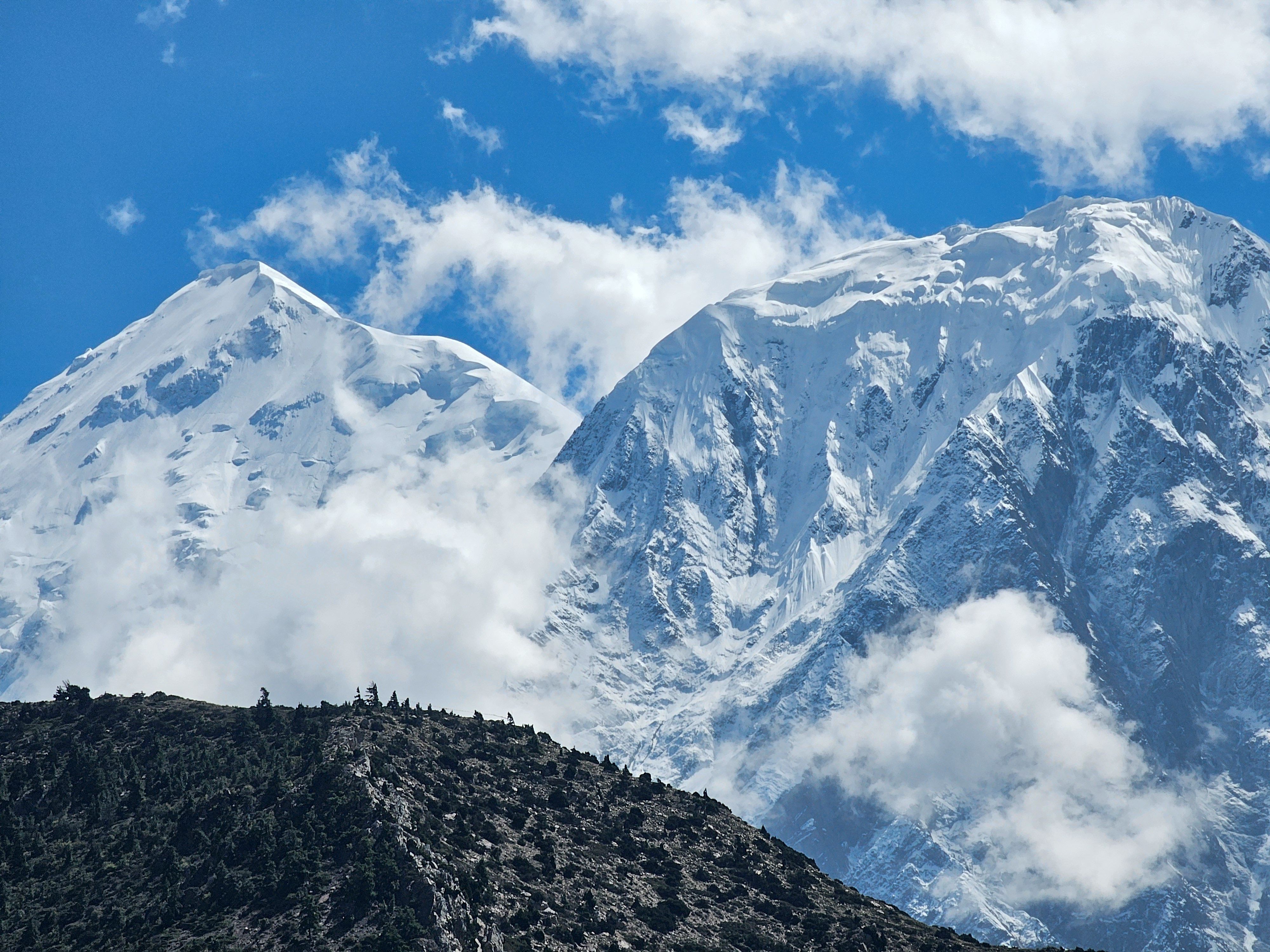
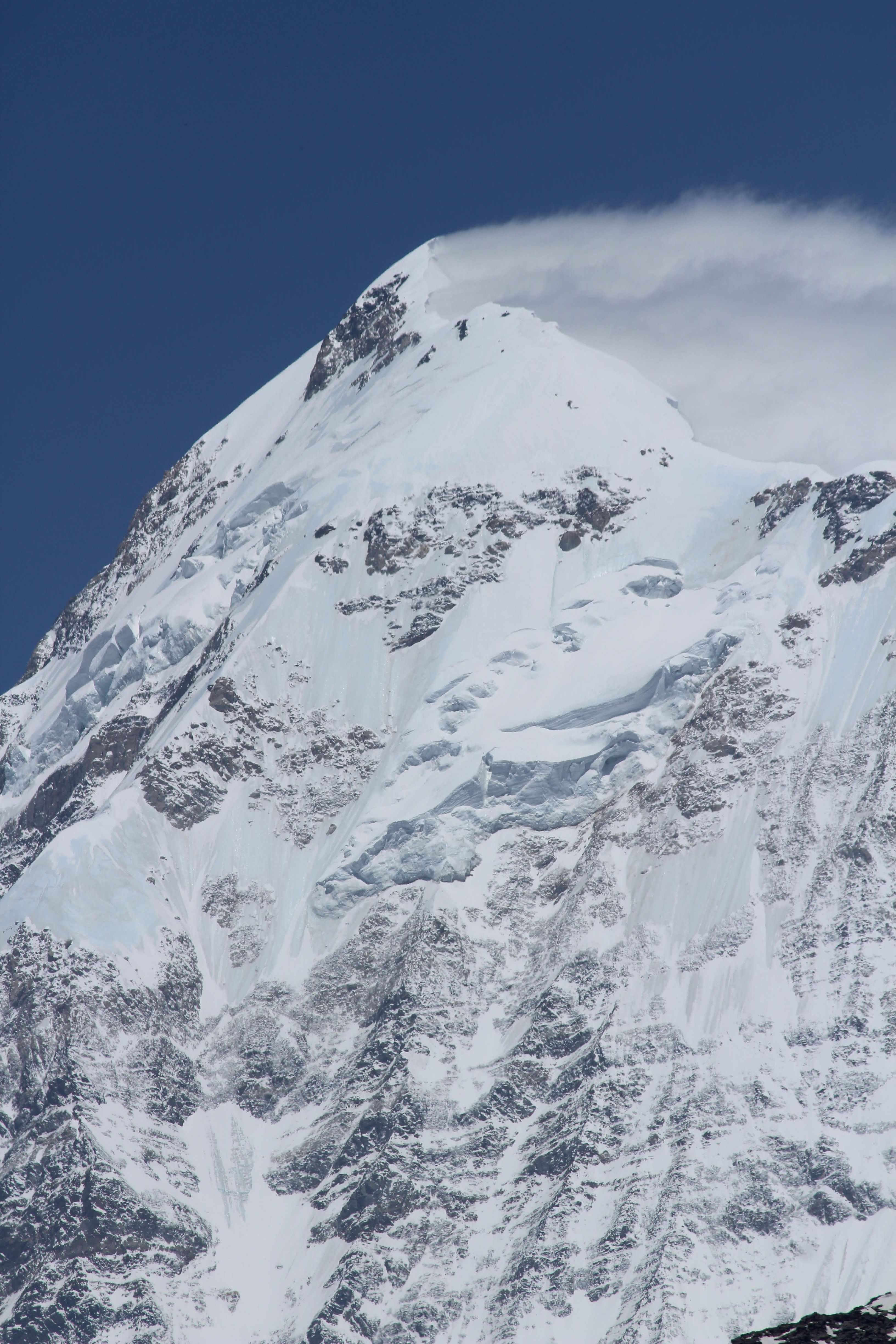
The Broad Peak Expedition by Himalayan Mountaineering Expedition takes climbers to the summit of the twelfth-highest mountain on Earth, an 8,051-metre massif rising in the Karakoram Range barely eight kilometres south of K2. Locally known as Falchan Kangri, and named “Broad Peak” by early surveyors for the sheer length of its summit crest, this mountain does not announce itself with a single dramatic spire the way K2 or Nanga Parbat do. Instead it presents a long, corrugated ridgeline stretching roughly 1.5 kilometres between its three summits, a shape that has quietly humbled more than a few expeditions that mistook the Central Summit for the true top.
Broad Peak is often described in the mountaineering world as the most “accessible” 8,000-metre peak, and there is truth in that: the standard West Spur route involves less objective danger from serac fall and avalanche than routes on K2, Nanga Parbat, or Annapurna, and the climbing itself is not the hardest among the fourteen giants. But accessible does not mean easy. Summit day is exceptionally long, the final ridge walk from the Broad Peak Col to the Main Summit exposes climbers to hours of effort above 7,800 metres with no real shelter, and the mountain has claimed experienced climbers who underestimated exactly that distance. Himalayan Mountaineering Expedition builds every Broad Peak departure around a realistic rotation schedule and genuine Sherpa support, so climbers arrive at the Col with enough reserve left to finish the ridge, not just start it.
We have laid out the full details of our Broad Peak Expedition below: the day-by-day itinerary, route description, dates, services, gear requirements, and costs. If anything is unclear, or you would like to talk through your own climbing background before applying, write to us directly at info@himalayanmountaineering.com.
Broad Peak Expedition
Difficulty
10/10
Broad Peak is a **highly challenging 8,000-meter expedition** requiring strong physical fitness, proper acclimatization, and previous high-altitude mountaineering experience. Climbers face steep snow and ice slopes, crevasses, extreme cold, strong winds, avalanche risk, and prolonged exposure above 7,000 meters, making it suitable for experienced mountaineers.
Activity
Mountaineering
Broad Peak is often described in the mountaineering world as the most “accessible” 8,000-metre peak, and there is truth in that: the standard West Spur route involves less objective danger from serac fall and avalanche than routes on K2, Nanga Parbat, or Annapurna, and the climbing itself is not the hardest among the fourteen giants. But accessible does not mean easy. Summit day is exceptionally long, the final ridge walk from the Broad Peak Col to the Main Summit exposes climbers to hours of effort above 7,800 metres with no real shelter, and the mountain has claimed experienced climbers who underestimated exactly that distance. Himalayan Mountaineering Expedition builds every Broad Peak departure around a realistic rotation schedule and genuine Sherpa support, so climbers arrive at the Col with enough reserve left to finish the ridge, not just start it.
Best Season
June-July
The best season for the Broad Peak Expedition is summer, when the Karakoram's short weather window opens between the end of the monsoon buildup and the first autumn storms. July and August bring the most consistent conditions on the upper mountain, though even in peak season the Karakoram is notoriously less forgiving than the Nepal Himalaya, with faster-moving weather systems and narrower summit windows.
Max Elevation
0 meters
The high point of the Broad Peak Expedition is 8,051 metres, the summit of Broad Peak and the twelfth of the world's fourteen eight-thousanders. Climbers reach this altitude only after crossing the Broad Peak Col at roughly 7,800 metres and then turning onto the long summit ridge itself, a stretch that is not technically severe but sits entirely inside the death zone, where the air holds roughly a third of the oxygen found at sea level and every step costs more than the last. The mountain's three summits, Main (8,051m), Central (approximately 8,016m), and the Rocky or Fore Summit (approximately 7,550m), have created one of Himalayan mountaineering's more persistent points of confusion, with a number of historical ascents later disputed because teams stopped at the Central Summit believing it was the top.
Location
Pakistan
Broad Peak rises in the Baltoro Muztagh, part of the central Karakoram Range in the Gilgit-Baltistan region of northern Pakistan, inside the Central Karakoram National Park, a vast protected wilderness that is home to more glaciated terrain outside the Polar Regions than almost anywhere else on Earth. The mountain sits on the Godwin-Austen Glacier directly opposite K2, with the Gasherbrum group visible to the south and the granite spires of the Trango Towers guarding the lower Baltoro.
Transportation
Plane - Jeep
Transportation for the Broad Peak Expedition is fully arranged as part of the package. After arrival in Islamabad, climbers travel by air or, when flights are weather-affected, by a long scenic road journey to Skardu, followed by a private 4x4 jeep transfer along the Braldu Valley to Askole, the last permanent settlement and the true starting point of the trek.
Duration
0 Days
The 48-day Broad Peak Expedition itinerary by Himalayan Mountaineering Expedition is built around what the mountain and the approach actually demand, not around squeezing the trip into the shortest marketable window. Simply reaching Base Camp takes close to two weeks: paperwork and permits in Islamabad, a flight or long drive to Skardu, a jeep transfer to the roadhead at Askole, and then a multi-day trek up the Baltoro Glacier through Jhola, Paiyu, Urdukas, and the legendary Concordia junction before a single rope is fixed.
Group Size
2 - 15
The Broad Peak Expedition is operated in groups of between 2 and 15 climbers, a range chosen to keep logistics efficient on a remote glacier without turning the climb into an anonymous mass departure. Smaller, well-coordinated teams move faster through the high camps, communicate more clearly during summit-window decisions, and receive closer attention from guides and Sherpa staff.
Accommodation
Hotel - Lodge - Tent
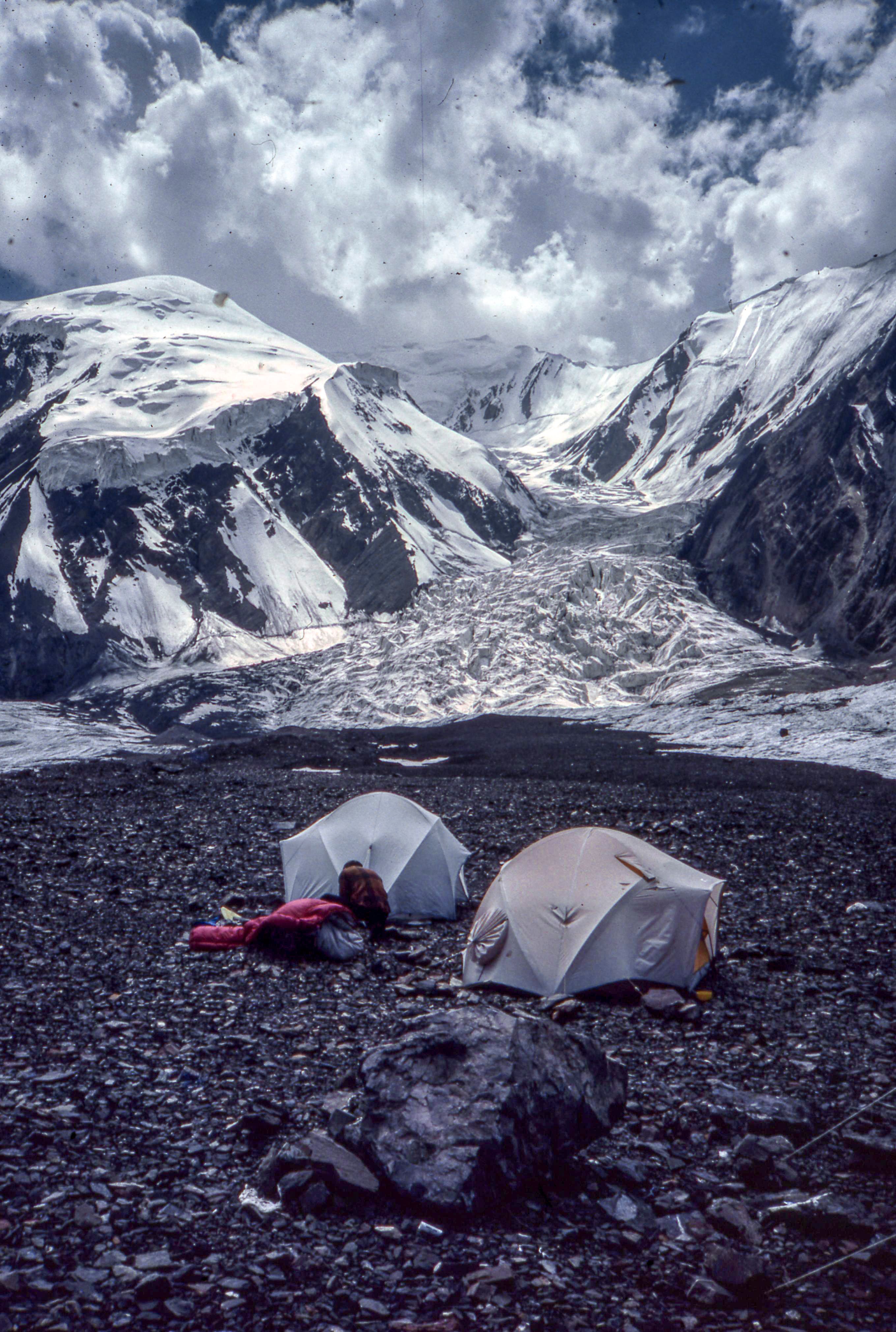
Accommodation on the Broad Peak Expedition shifts with the terrain. Climbers stay in a comfortable hotel in Islamabad before and after the climb, in a hotel or lodge in Skardu during the paperwork and acclimatization stage, and in expedition tents from Askole onward through the trek, Base Camp, and the high camps.
Price
$0
The Broad Peak Expedition price starts from USD 30,000 per person under our standard fully supported Classic package. This covers core expedition logistics, permits, Base Camp services, climbing support, staffing, and the operational management required to run a professional 48-day expedition on one of Pakistan's most rewarding eight-thousanders.
Food
B - L - D
Nutrition is taken seriously on the Broad Peak Expedition, where long trekking days on the Baltoro Glacier and demanding altitude rotations burn through energy reserves quickly. Breakfast, lunch, and dinner, along with tea, coffee, and hot or cold filtered drinking water, are provided throughout the trek, at Base Camp, and during the climbing period.
Overview
Broad Peak Expedition - 8000m Adventure in Karakoram.
Broad Peak expedition is among the most exciting mountain climbs on the highlands of the world. Broad Peak is the 12 th tallest mountain on Earth, at 8,051 meters and in the Karakoram Range of Pakistan, very near to the historic K2. Those who want to face a challenge and test their strength, abilities, and will on a 8000-meter mountain, this expedition is an invaluable experience to prove themselves.
Although many climbers dream of the Everest expedition, Broad Peak provides a comparable high-altitude challenge with fewer crowds and a truly raw mountaineering environment. It is viewed as a perfect step to climbers who are training to take bigger expeditions like the Mount Everest.
What is the reason to prefer the Broad Peak Expedition?
Broad Peak expedition is a worldwide attraction to mountaineers since it is a serious 8000-meter climb but technically not as challenging as other 8000-meter peaks in Karakoram. Climbers would be exposed to high altitude levels, glaciers that are breathtaking and spectacular mountainous landscapes.
Unlike the heavily trafficked routes of an Everest expedition, Broad Peak allows climbers to experience a more traditional and adventurous form of mountaineering. The mountain is named after the wide summit ridge which provides excellent panorama of other giants around it such as K2, Gasherbrum I and Gasherbrum II.
The trip is also a good expedition that climbers wish to be in to acquire experience in extreme altitude conditions as well as have a challenging but reachable summit goal.
The Place and Nature Beauty.
Broad Peak is situated in Baltoro region of Northern Pakistan, which has one of the most beautiful high-mountains landscape in the world. This trip to the mountain is started by trekking down the renowned Baltoro Glacier bordered by high mountains, spectacular ice structures, and astounding dales.
Through the expedition, climbers are able to observe some of the most beautiful landscapes in the planet. Granite towers, immense glaciers, unlimited snowfields make the environment rather remote and untouched. For many mountaineers, this landscape rivals the famous views experienced during an Everest expedition.
The trek itself is a wonderful adventure and it assists the mountaineers to acclimatise over time, before they can reach the peak.
Climbing Experiences and Challenges.
Broad Peak expedition is not only a physical one but it also demands solid experience of mountaineering. The climbers should also be accustomed to extreme weather conditions such as high altitude, traveling on glaciers, and spending long days.
The significant issues of the expedition are:
As far as the Broad Peak is not as technical as certain other peaks, it should still be taken seriously. Climbers who have previously completed expeditions such as Ama Dablam, Cho Oyu, or Everest expedition training climbs are better prepared for this challenge.
The Preparation of the Expedition.
The preparations that will be undertaken before the Broad Peak expedition take time and entail physical training as well as technical preparations. The climbers are advised to work on gaining endurance, strength and altitude acclimatization.
Significant steps towards preparation entail:
Many climbers use the Broad Peak expedition as a stepping stone before attempting the Everest expedition, since both involve similar high-altitude challenges and logistical planning.
Acclimatization and Camps
Broad Peak climbing is arranged as a rotational acclimatization, as with most of the 8000-meter expeditions. Climbers also relocate to different camps to get their bodies used to the thin air.
The expedition usually contains a number of camps:
Climbers move up and down these camps during the expedition to gradually adapt to the altitude, similar to the process used during an Everest expedition.
Summit Push and Final Climb
The last part of the expedition of the Broad Peak is the final summit push which is the most trying. One of the most common methods is the attempt of the summit by the climbers who during the night leave the top camp and ascend the steep snow slopes and open ridges.
The top of the Broad Peak is a ridge that needs patience and endurance. But at the summit the climbers are rewarded with spectacular views of the Karakoram, and a close view of K2, the second peak in the world.
The moment of reaching the summit is a life altering experience to most mountain climbers and a big milestone in the mountaineering sector.
Who To Who Not to Include in the Broad Peak Expedition
Broad Peak expedition will suit highly experienced climbers who are willing to take a challenge of 8000 meters. It is appropriate to mountaineers that:
The climbers are to be physically fit, technically qualified and psychologically ready to face extreme conditions.
An Intro to Higher Mountaineering Objectives.
The Broad Peak expedition is a major achievement in the climbing experience of many mountaineers. It provides an experience of ascending one of the magnificent mountains in the world building the experience needed in the quest to achieve even higher goals.
Whether you dream of completing multiple 8000-meter peaks or preparing for the legendary Everest expedition, Broad Peak provides an unforgettable challenge and an incredible adventure in one of the most spectacular mountain ranges on Earth.
Explore our journey on Instagram, Facebook & TikTok for photos, videos, and stories
Would you like to ask us in email info@himalayanmountaineering.com.
Itinerary
Day 01:
Arrival in Islamabad and meet with our representative at the airport and transfer to Hotel. Welcome drink and short briefing about Broad Peak Expedition.
Overnight in Hotel - 540 meter
Day 02:
Paper work, gear preparation and more briefing about the trip at Ministry of Tourism.
Overnight in Hotel – 540 meters
Day 03:
Fly to Skardu which is a small city in Gilgit-Balistan.
Overnight in Hotel – 2228 meters
Day 04:
Preparation Day and Exploration
Overnight in Hotel – 2228 meters
Day 05:
Drive to Askole which is small town of Shigar valley.
Overnight in Tent - 2800 meters
Day 06:
Trek to Jhola this will be our first day of trek.
Overnight in Tent – 3185 meters
Day 7-8:
Trek to Paiyu and stay there for more more day as rest and acclimatization program.
Overnight in Tent - 3383 meters
Day 9:
Trek to Urdukas through rocky moraines of Baltoro Glacier.
Overnight in Tent – 4130 meters
Day 10:
Trek to Gora II which will be short ascend of 120meters in altitude. But you will see beautiful view of Masherbrum, Muztagh Tower and Gasherbrum IV.
Overnight in Tent – 4250 meters
Day 11:
Trek to Concordia which is one of the most beautiful camp site in the world with 360 degree view of Mountains.
Overnight in Tent – 4550 meters
Day 12:
Trek to Broad Peak Base Camp and camp at Godwin Austen Glacier.
Overnight in Tent – 4850 meters
Day 13-39:
Climbing Period of Broad Peak. We will do rotation in camp 1 5400m, camp 2 6250m and camp 3 7200m and back to Base Camp. Climb to Camp 1 will start with deep snow and then to rock and ice. Camp 1 to Camp 2 will be toughest because of combination of ice, snow and rocks and after camp 2 to camp 3 we will pass through snowy couloir. It will take around 14 hours to reach summit and we will start descend down to camps after summit.
Day 40-44:
Trek down to Askole the same route we camp for 5 days.
Overnight in Tent – 2800 meters
Day 45:
Drive to Skardu from Askole for 7 hours around.
Overnight in Lodge – 2228 meters
Day 46:
Fly to Islamabad
Overnight in Hotel – 508 meters
Day 47:
Rest day
Overnight in Hotel – 508 meters
Day 48:
Final Departure from Islamabad
Route Map
Gear List
Here’s a comprehensive gear and clothing checklist for an expedition to Broad Peak (8,047 meters). This list ensures safety, comfort, and efficiency in extreme high-altitude conditions.
The Team
Broad Peak will be led by Ningma Dorje Tamang or another mountain guide certified by IFMGA or NNMGA. The expedition leader will be an experienced guide who has successfully summited Broad Peak multiple time. We maintain a small international team to ensure better coordination, safety, and personalized support throughout the expedition.
Most importantly, every climber will be supported by one dedicated Sherpa guide (1:1 Sherpa-to-climber ratio) from Base Camp through the climbing rotations and summit attempt. Our expedition team also includes experienced cooks, helpers, porters, kitchen staff, and a Base Camp Manager, supported by a weather forecasting specialist working from Kathmandu.
Packages
Budget
$30,000
Our Broad Peak Expedition Package Includes:
1. All airport and hotel transfer domestic and international both.
2. 6 nights' accommodation at 3-4-star hotel and 2 star hotel or Lodge with breakfast in Islamabad and Skardu respectively.
3. Private 4x4 from Skardu to Askole and Back.
4. Meals (breakfast, lunch and dinner) with Tea & coffee and hot/cold filter water during the trek, base camp and all other places than Islamabad and Skardu.
5. Tented accommodation during climbing period on sharing basis. We will have a well settled base camp with our kitchen crew with varieties of foods, bakery and seasonal fruits. We will try to make as much comfort as possible or climber because that’s how climbers can climb in future. Different Cuisine from Nepal, Pakistan and Western food can be made for climbers.
6. Experienced One Nepali climbing Sherpa for One person from Base Camp to Base Camp during the climb who will help you for your summit and take care of you during the whole climbing.
7. Necessary porter to reach base camp and back up to 75kg.
8. Cook, helper, porters and their food & accommodation, salary, equipment’s & insurance for base camp and high camp services.
9. Camping Equipment’s, Tents, Kitchen Utensils and Mattresses with high foods.
10. 1 Duffle Bag, Radio Set, Satellite Phone, Map, Weather Report, Heater, Solar or Generator in Base Camp for charging mobile, laptop etc.
11. All necessary climbing permit for Broad Peak Expedition.
12. Garbage management and disposal fees.
13. Rope fixing cost
14. Government Liaison officer fees with his equipment, insurance, gears, accommodation and foods.
15. Training of using gears, climbing ladder, rope and other important knowledge and sharing experience of the expedition.
16. Oxygen Mask and Regulator with 4 liters of Oxygen Bottle is provided to every member and guide for high altitude.
17. First Aid Medical Kit box, frequent medical checkup and necessary emergency equipment’s.
18. Office Service charge and Certificates.
Budget
$30,000
Our Broad Peak Expedition Package Includes:
1. All airport and hotel transfer domestic and international both.
2. 6 nights' accommodation at 3-4-star hotel and 2 star hotel or Lodge with breakfast in Islamabad and Skardu respectively.
3. Private 4x4 from Skardu to Askole and Back.
4. Meals (breakfast, lunch and dinner) with Tea & coffee and hot/cold filter water during the trek, base camp and all other places than Islamabad and Skardu.
5. Tented accommodation during climbing period on sharing basis. We will have a well settled base camp with our kitchen crew with varieties of foods, bakery and seasonal fruits. We will try to make as much comfort as possible or climber because that’s how climbers can climb in future. Different Cuisine from Nepal, Pakistan and Western food can be made for climbers.
6. Experienced One Nepali climbing Sherpa for One person from Base Camp to Base Camp during the climb who will help you for your summit and take care of you during the whole climbing.
7. Necessary porter to reach base camp and back up to 75kg.
8. Cook, helper, porters and their food & accommodation, salary, equipment’s & insurance for base camp and high camp services.
9. Camping Equipment’s, Tents, Kitchen Utensils and Mattresses with high foods.
10. 1 Duffle Bag, Radio Set, Satellite Phone, Map, Weather Report, Heater, Solar or Generator in Base Camp for charging mobile, laptop etc.
11. All necessary climbing permit for Broad Peak Expedition.
12. Garbage management and disposal fees.
13. Rope fixing cost
14. Government Liaison officer fees with his equipment, insurance, gears, accommodation and foods.
15. Training of using gears, climbing ladder, rope and other important knowledge and sharing experience of the expedition.
16. Oxygen Mask and Regulator with 4 liters of Oxygen Bottle is provided to every member and guide for high altitude.
17. First Aid Medical Kit box, frequent medical checkup and necessary emergency equipment’s.
18. Office Service charge and Certificates.
Booking
Official Booking Confirmation is made only after 20% deposit of the total amount of the Expedition. Please contact us through email or inquiry form so that we can talk and confirm our booking.
FAQ
Broad Peak is a serious 8,000-meter climb involving glacier travel, steep snow and ice, crevasses, extreme cold, strong winds, avalanche exposure, and the physiological challenges of the Death Zone.
Yes. 1:1 high-altitude climbing support can be provided for climbers requiring dedicated assistance during rotations and the summit push.
Major risks include extreme altitude, avalanches, crevasses, falling ice, severe cold, strong winds, exhaustion, and rapidly changing Karakoram weather.
A small expedition team is generally preferred to provide better coordination, personalized support, and efficient management on the mountain.
Yes. Because Broad Peak and K2 Base Camps are relatively close, experienced climbers sometimes combine Broad Peak and K2 in the same Karakoram season, provided conditions, permits, acclimatization, and logistics allow.
Gallery
Trip Inquiry
Search another peak or departure, or send your questions, preferred dates, group size, and expedition requirements — our team will get back to you.
Not sure which peak? Browse all expeditions or send us a message and we'll recommend one.