Loading
Preparing your Himalayan journey
Everest Base Camp Trek
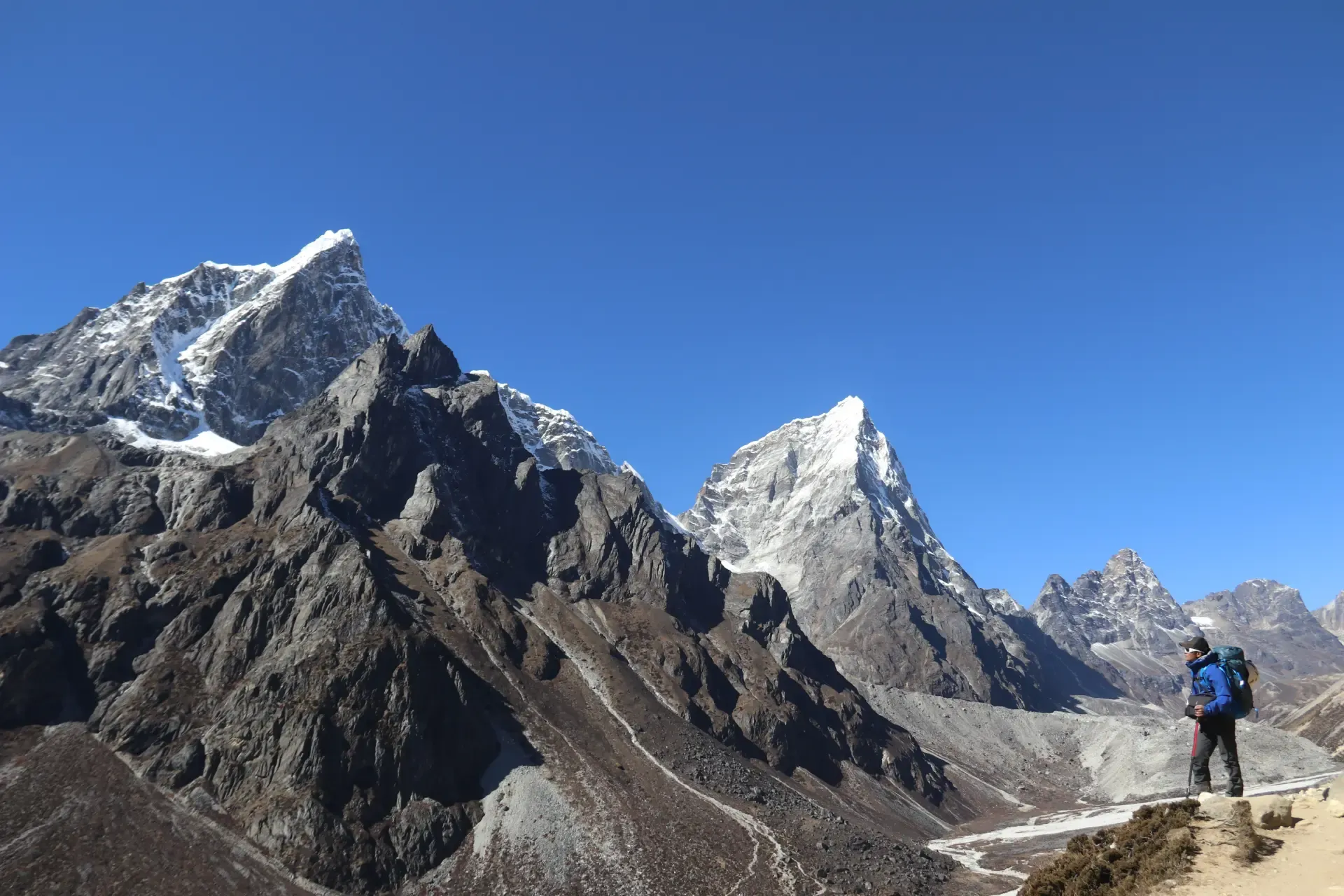
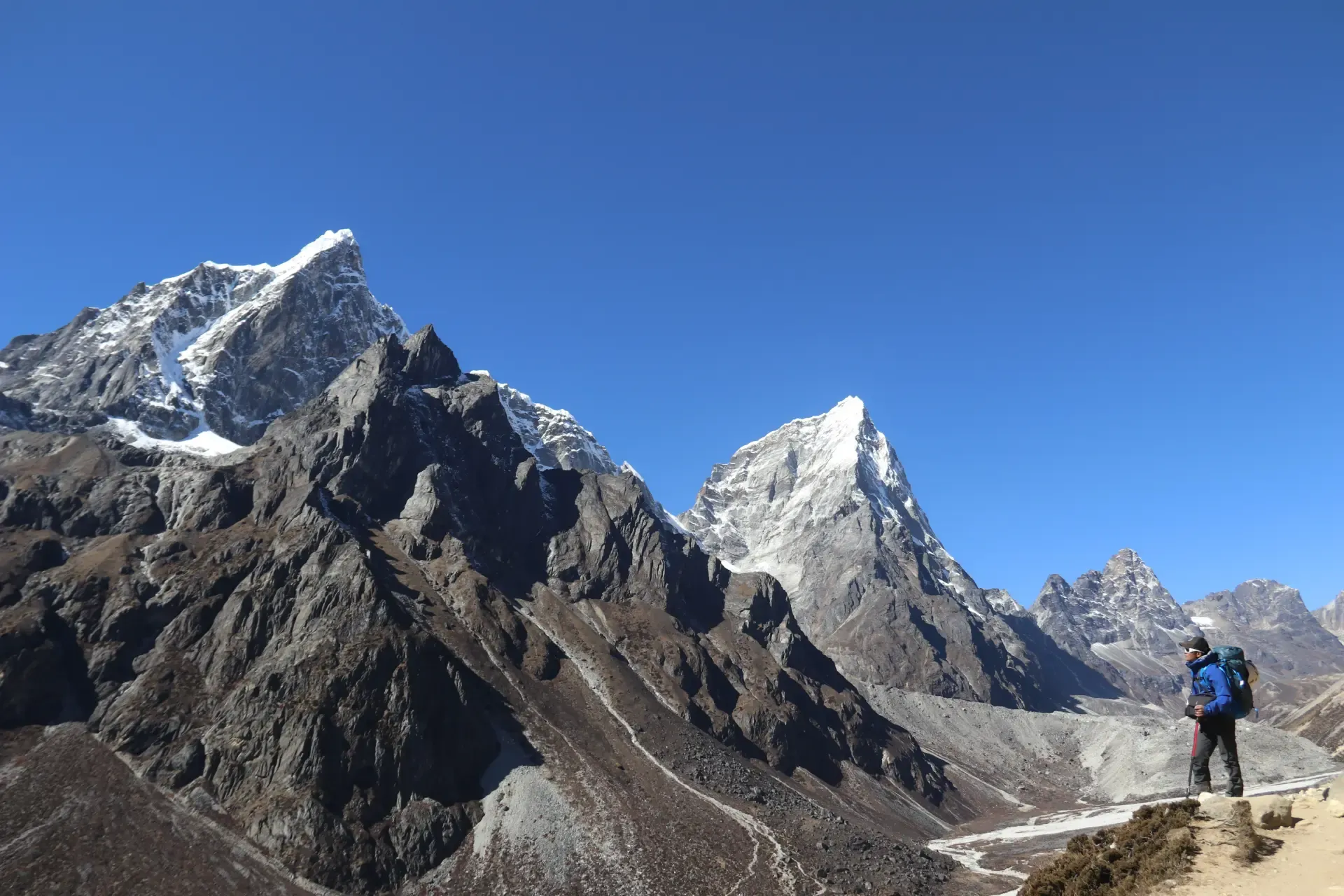
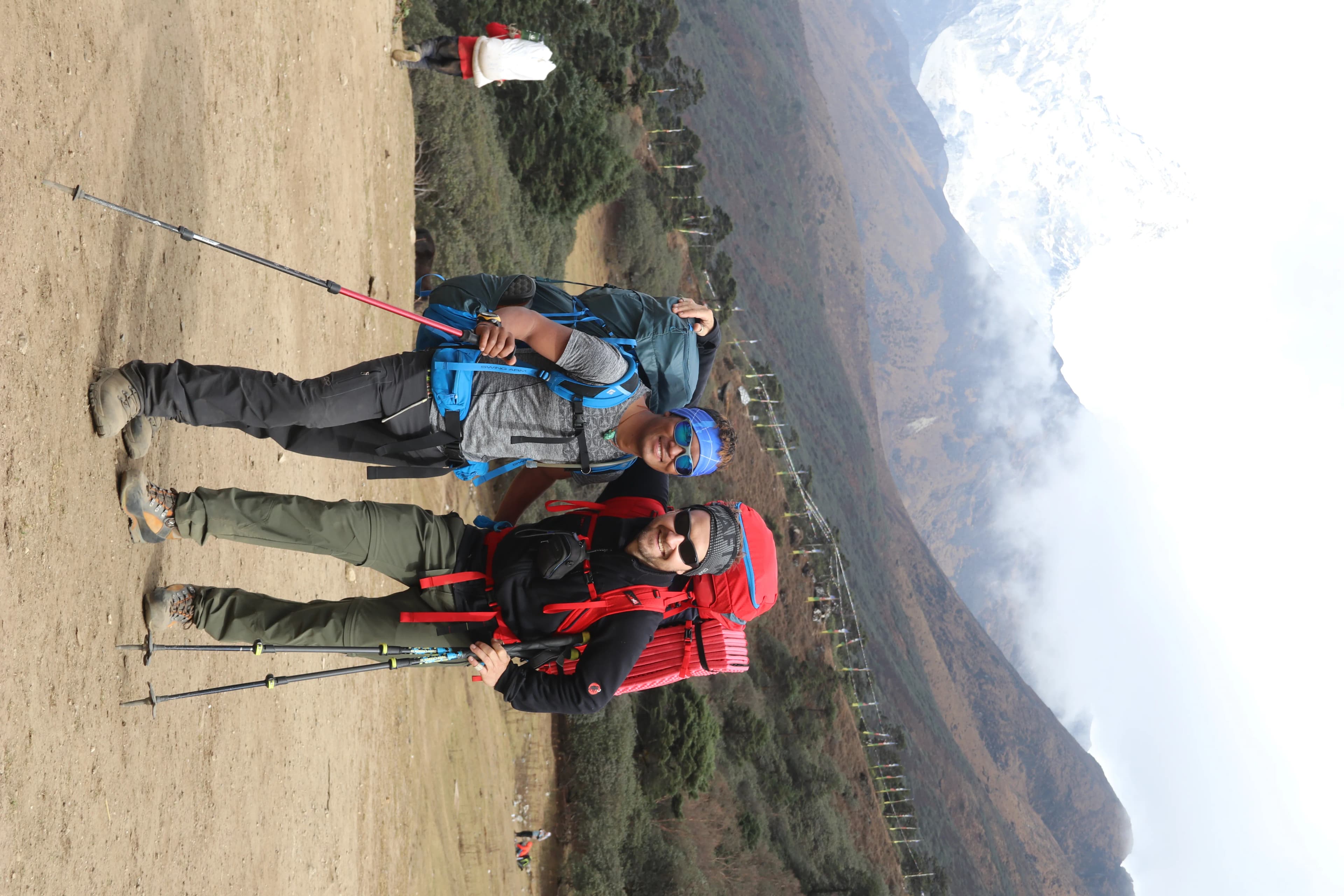
The Everest Base Camp Trek is a popular Himalayan journey that leads to the foot of Mount Everest, passing through Sherpa villages, monasteries, and high-altitude landscapes, offering iconic views without requiring technical climbing.
Everest Base Camp Trek
Difficulty
6/10
Moderate
Activity
Trekking
Best Season
Spring - Autumn
Max Elevation
0 meters
Location
Nepal
Everest Region
Transportation
Flight - Jeep
Duration
0 Days
Group Size
1 -15
Starting Date
None
Accommodation
Hotel - Lodge
Price
$0
1,850
Food
Breakfast - Lunch - Dinner
Overview
The Everest Expedition to Everest Base Camp is one of the most famous trekking experiences in the world. It offers rare opportunity to stand close to the tallest mountain on earth Mount Everest (8848 meters). This journey is not only about one getting to a destination but it is one about enjoying the way. From beautiful landscapes to cultural experiences, you get memories with this trek that go a long way.
The Everest Expedition begins with a thrilling flight to Lukla, a small mountain airport surrounded by high hills. From this point, the trekking trip begins. The trail leads you through lush forests, gushing rivers, and through rocky trails. You will pass over quite a lot of suspension bridges adorned with many different colored prayer flags to add a spiritual atmosphere to the trip.
As you walk further you slowly have a change in the environment. The green forests become dry and rocky landscapes. Snow-capped mountains begin appearing closer which makes the journey more exciting. Every day brings some fresh views and some new experiences that keep the trekkers motivated and inspired all the time.
During the Everest Expedition, you will pass through several well-known places.
One of the most important stop is Namche Bazaar which is a busy Sherpa town. It is the primary trading centre in the area and a resting point for trekkers to acclimatize to the high altitude. You can find cafes and shops and gorgeous look out points here.
Another special place is Tengboche Monastery which is the largest monastery in Khumbu region. Surrounded by mountains, it is a calm place where trekkers can give in to spiritual serenity as well as to beautiful scenery. From here, you will have amazing views of Everest, Lhotse and Ama Dablam.
The main goal of the Everest Expedition is reaching Everest Base Camp. The last segment of the trek is through rough paths, glaciers and rocky areas. When you finally reach Base Camp you will feel a feeling of deep achievement. Standing at the foot of Mount Everest would be a strong moment and many people dream of it.
Although you do not see the full peak of Everest here - From Base Camp, there are some really breathtaking views of icefalls and glaciers. It is a place filled with excitement when there is climbing season and mountaineers are readying themselves for their trek to the top.
One of the best parts of the Everest Expedition is experiencing Sherpa culture. The people of the Sherpa are known to be very friendly, very strong and have a deep connection to their mountains. As you pass through villages, you will see traditional houses and prayer wheels as well as Buddhist flags.
You will also have the opportunity to stay in teahouses, where you could enjoy the simple local food and warm hospitality of the people. Boiling down reveals a suggestion of the unique lifestyle of the natives you meet en route.
The Everest Expedition is suitable for people with moderate to good fitness levels. It is not a technical climb, but it does need physical work and strength in the mind. Walking for days on high altitude can be tricky and proper preparation is important.
Acclimatization days are incorporated in the journey in order to acclimate your body to the altitude. Drinking plenty of water, walking at a steady pace and listening to your guide is important to achieving a safe trip on the trek.
This trek exceeds what your physical journey is by far. It is an experience that pushes you to your limits and pays you off in incredible beauty. The combination of nature, adventure, and culture makes the Everest Expedition truly special.
Whether it is the sunrise above the mountains, the gentle sound of prayer flags in the wind or the feeling you get when you finally reach Base Camp, everything is unforgettable.
If you are looking for an adventure that combines challenge, beauty, and culture, the Everest Expedition is the perfect choice. It is a journey which will, besides taking you closer to the high mountain of the world, also help you discover your own strength and spirit.
Take the first step and begin your Everest Expedition—an experience you will treasure forever.
Explore our journey on Instagram, Facebook & TikTok for photos, videos, and stories.
For inquiries, email: info@himalayanmountaineering.com
Itinerary
Arrival in Kathmandu and meet with our representative at the airport and transfer to Hotel. Welcome drink and short briefing about trek.
Overnight in Hotel – 1400 meters
Paper work, gear preparation and more briefing about the trip and sightseeing.
Overnight in Hotel – 1400 meters
Domestic flight to Lukla and Trek to Phakding of few hours.
Overnight in Lodge – 2160 meters
Trek to Namche Bazar which most commercial area of Everest region.
Overnight in Lodge – 3440 meters
Acclimatize and Rest day, we can experience some local culture over there.
Overnight in Lodge – 3440 meters
Trek to Tengboche Monastery via Khumjung valley which is green and has most vegetation in this region.
Overnight in Lodge – 3860 meters
Trek to Dingboche crossing Imja river and Rhododendron forest and trail.
Overnight in Lodge – 4410 meters
Acclimatize and Rest Day, still we will do small hike around.
Overnight in Lodge – 4410 meters
Trek to Lobuche following rugged terrain for 6 to 7 hours.
Overnight in Lodge – 4910 meters
Trek to Gorakshep and visit Everest Base Camp and come back to Gorakshep. It will take around 8–9 hours but it's worth the trek and time which is the main reason to do this trek.
Overnight in Tea House – 5364 meters
Trek to Periche via Kalapatthar (5545 meters). We will have a long journey of 16 km where we will trek to Kalapatthar which is the highest point of the trek and offers amazing mountain views. After spending some time in Kalapatthar we will go to small village called Periche for night.
Overnight in Tea House – 4371 meters
Trek to Namche Bazaar which will cover around a distance of 20 km from Periche.
Overnight in Hotel – 3500 meters
Trek to Lukla for a day this is the last day of our trek.
Overnight in Lodge – 2840 meters
Fly to Kathmandu and Farewell dinner.
Overnight in Hotel – 1400 meters
Final Departure from Kathmandu
Gear List
Packages
Budget
$1,850 Per Person
Budget
$1,850 Per Person
FAQ
August
Any
Gallery
Trip Inquiry
Search another peak or departure, or send your questions, preferred dates, group size, and expedition requirements — our team will get back to you.
Not sure which peak? Browse all expeditions or send us a message and we'll recommend one.