Loading
Preparing your Himalayan journey
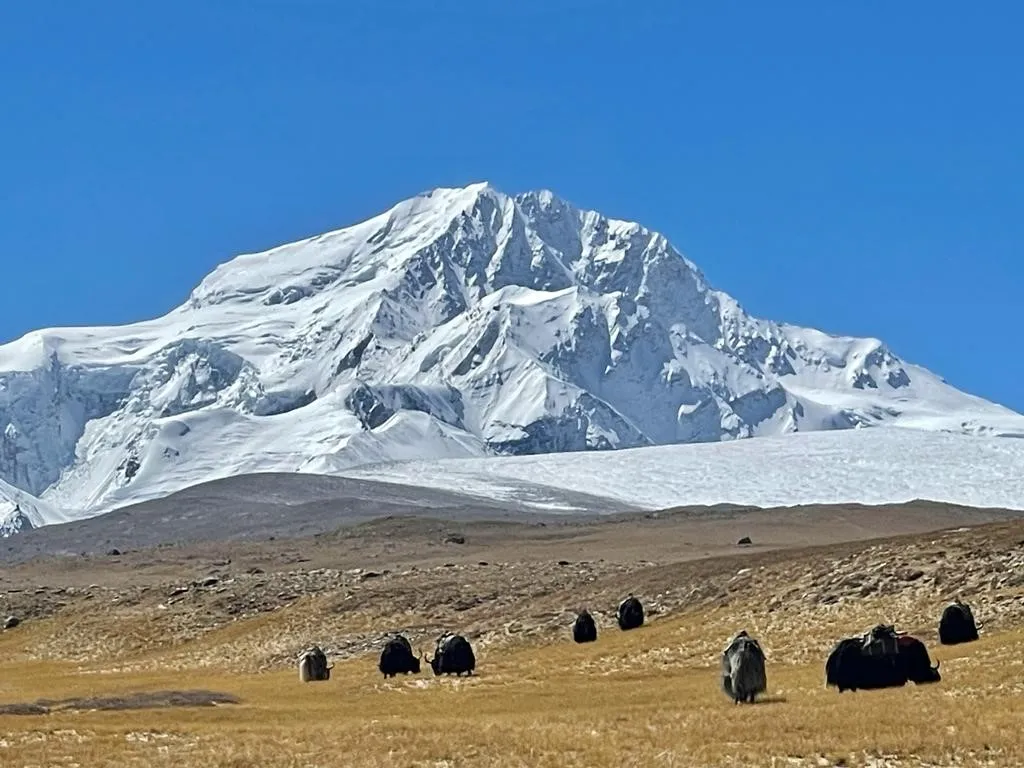
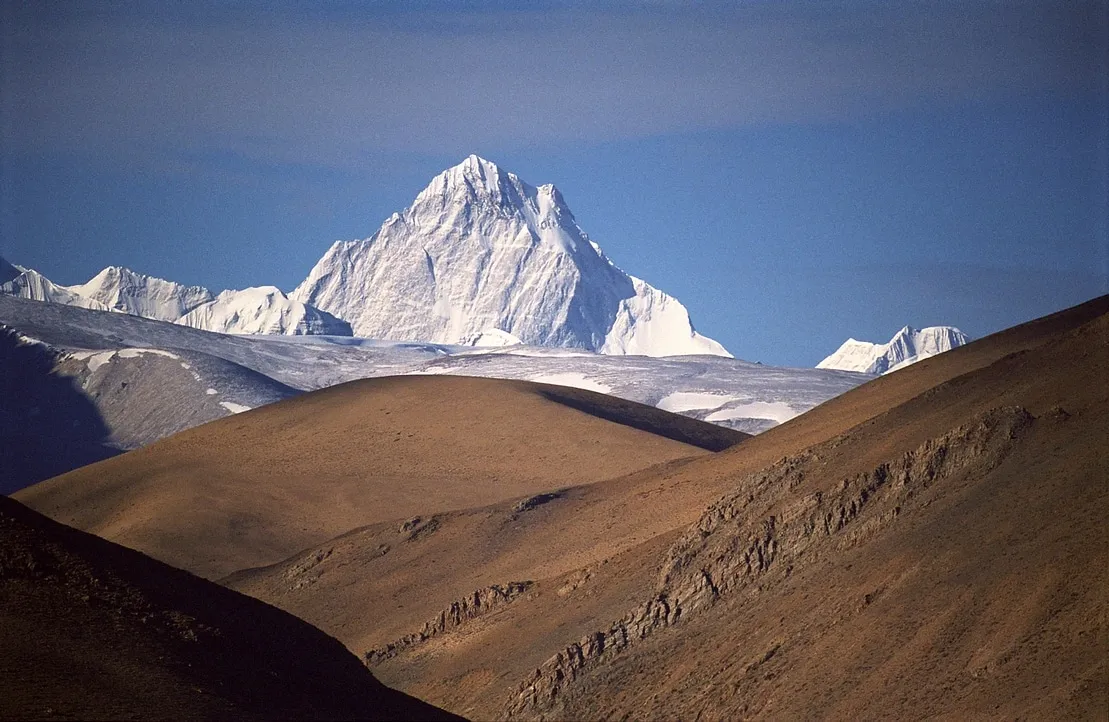
Shishapangma Expedition
Difficulty
10/10
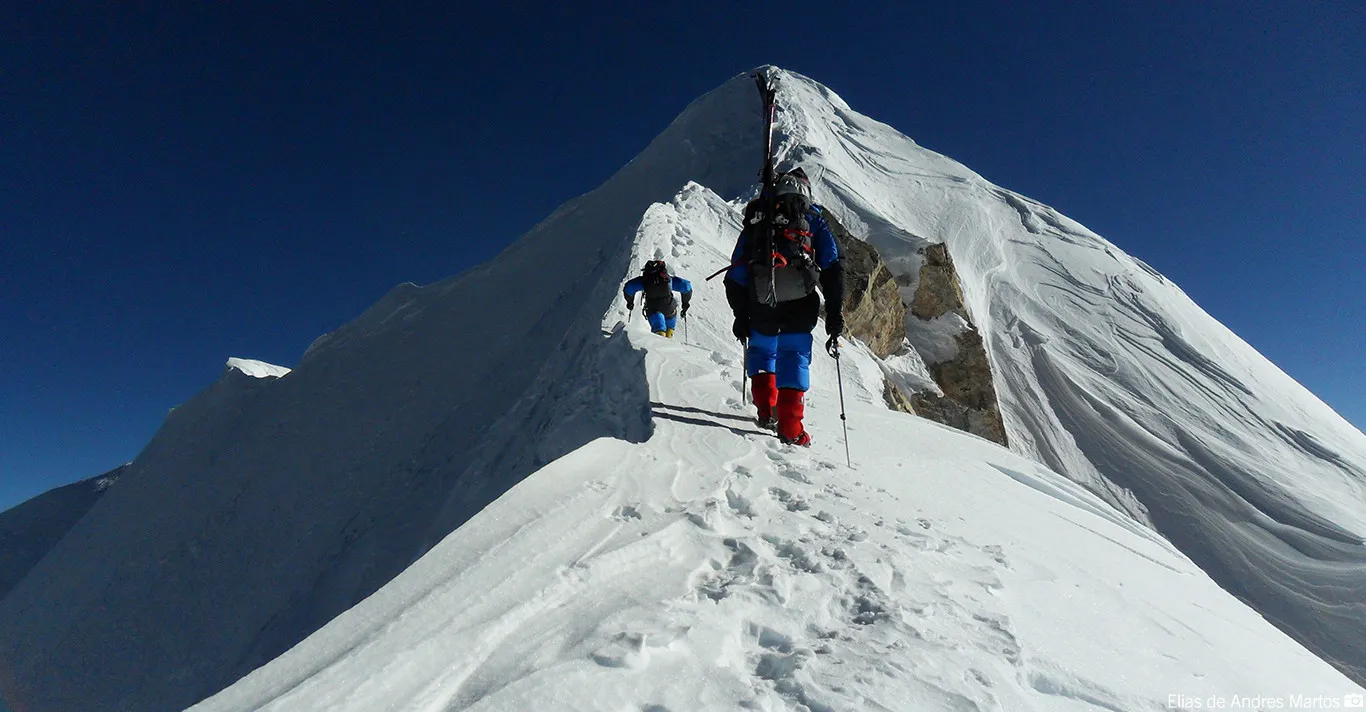
Shishapangma is widely regarded as the most approachable of the world's fourteen 8,000-meter peaks, and Himalayan Mountaineering Expedition built this itinerary specifically for climbers who want a genuine eight-thousander objective without the extreme technical demands found on Kanchenjunga, Annapurna, or K2. The standard North Ridge route involves long days of snow and glacier travel rather than sustained steep ice or rock, which is precisely why so many mountaineers choose Shishapangma as their first 8,000-meter summit or as a tune-up climb before attempting Everest, Cho Oyu, or Manaslu. That said, low difficulty by eight-thousander standards is still an extreme undertaking by any normal measure. Climbers spend several weeks above 5,000 meters, face brutal cold and wind on summit day, and must cross an exposed, corniced summit ridge connecting the Central Summit (8,008m) to the true Main Summit (8,027m) that has turned back far more experienced mountaineers than it should.
Activity
Mountaineering
This expedition follows the classic Northwest Face and North Ridge route, the same line used on the first ascent in 1964 and still the standard commercial approach today. Climbers progress through Advanced Base Camp and three high camps, crossing moderate glacier terrain, a broad snow plateau, and a final summit slope before tackling the long, narrow, wind-scoured ridge to the Main Summit. Himalayan Mountaineering Expedition pairs every client with a dedicated climbing Sherpa for the full ascent, ensuring experienced support from Advanced Base Camp to the summit and back.
Best Season
September - October
Spring remains the primary climbing window for Shishapangma, when the North Ridge route is typically fixed early and pre-monsoon weather systems deliver the most consistent stretch of climbable days on the Tibetan Plateau. The autumn window, after the summer monsoon clears, is shorter but offers cold, stable conditions and significantly fewer climbers on the mountain. Himalayan Mountaineering Expedition runs scheduled departures in both seasons and can advise which window best matches your experience level and summit goals.
Max Elevation
0
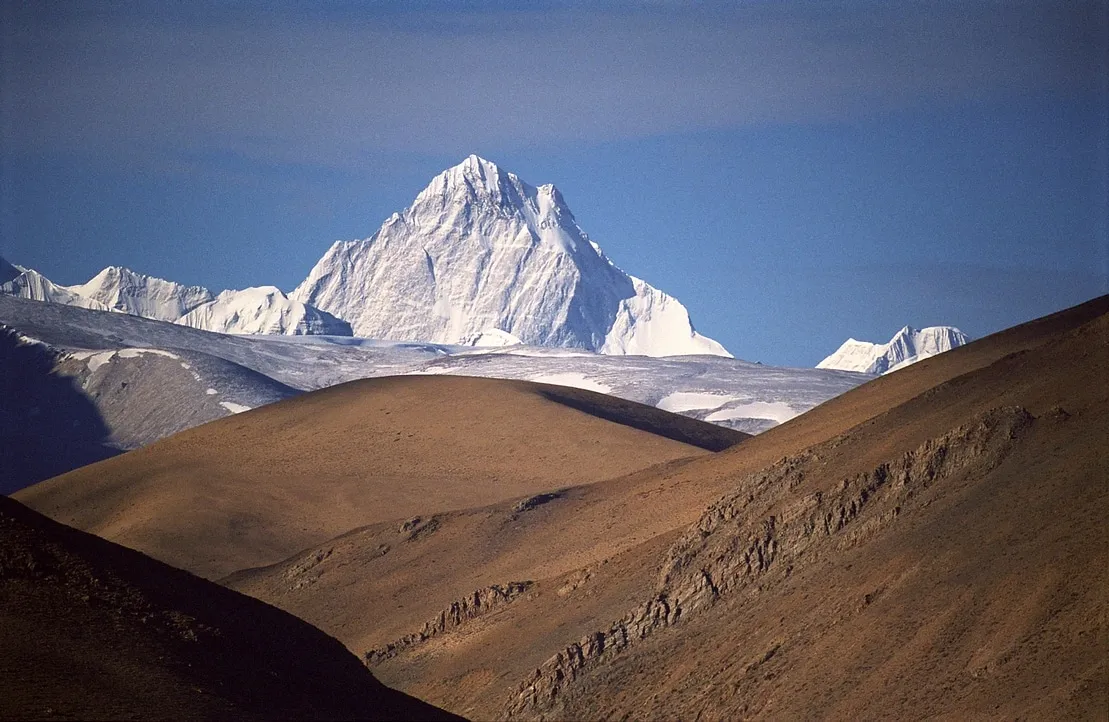
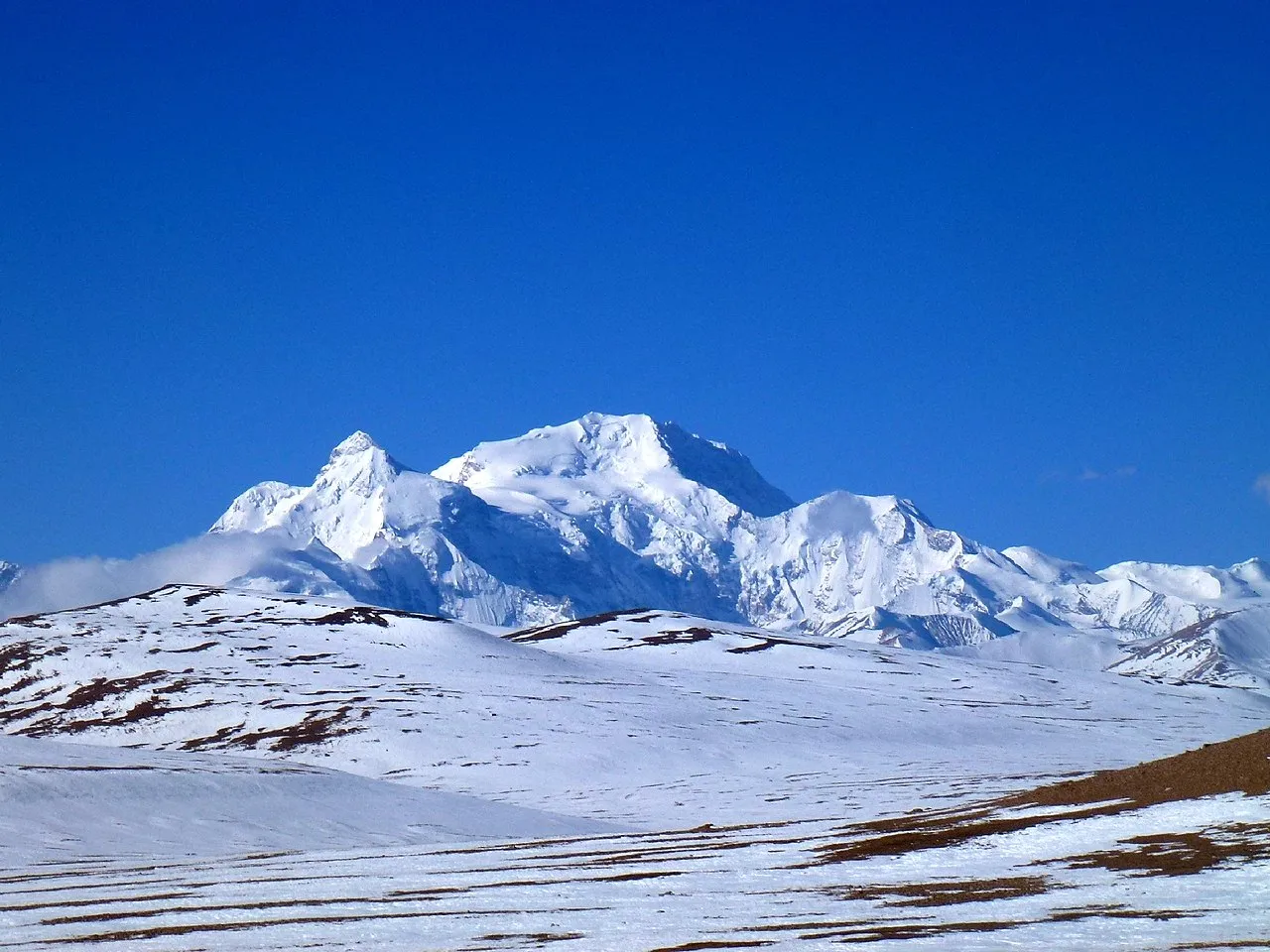
At 8,027 meters, Shishapangma is the 14th and lowest of the world's eight-thousanders, yet it is the only one of the fourteen located entirely within Chinese territory, rising on the southern edge of the Tibetan Plateau roughly 120 kilometers northwest of Mount Everest. Many commercial teams stop at the slightly lower Central Summit (8,008m), but Himalayan Mountaineering Expedition's standard itinerary is built around reaching the true Main Summit whenever conditions and the climbing team's strength allow, with the exposed connecting ridge given the time, fixed-line support, and contingency days it demands.
Location
Tibet Autonomous Region
Shishapangma sits in the Jugal Himal, an extension of the Langtang range straddling the Nepal–Tibet frontier, within the Tibet Autonomous Region of China. Climbers approach overland from Lhasa through Shigatse and the high-altitude trading town of Tingri, passing some of the most dramatic stretches of the Tibetan Plateau and close-range views of Everest, Cho Oyu, and Shishapangma itself along the Friendship Highway.
Transportation
Flight - Jeep - Trek
The expedition begins with a domestic flight from Kathmandu to Lhasa, followed by an overland jeep journey across the Tibetan Plateau via Shigatse and Tingri to the Chinese Base Camp. From Base Camp, climbers trek on foot to Advanced Base Camp and the high camps, since no further vehicle access exists beyond this point. The return journey retraces the same overland route back to Lhasa before flying to Kathmandu.
Duration
0 days
Our 40-day Shishapangma itinerary allows for a properly staged acclimatization profile across Tibet's high plateau, beginning with an overland approach through Lhasa, Shigatse, and Tingri before reaching the mountain itself. Roughly two weeks are devoted to acclimatization, road travel, and the trek to Advanced Base Camp, with the remainder allocated to rotations through the high camps, route fixing, weather-dependent contingency days, and a realistic summit window. Shorter itineraries exist in the industry, but compressing the schedule on an 8,000-meter peak measurably increases the risk of altitude illness and a failed summit bid — our pacing is deliberate, not padded.
Group Size
2 - 15
Himalayan Mountaineering Expedition runs the Shishapangma climb in teams of 2 to 15 members, supported by a full Tibetan and Sherpa staff, base camp kitchen crew, and yak transport for expedition equipment. Group sizes at the smaller end of this range allow for more flexible rotation planning and faster decision-making during summit weather windows, while larger groups benefit from shared logistics and a stronger camp atmosphere.
Accommodation
Hotel - Lodge - Tent
Climbers stay in comfortable hotels in Kathmandu and Lhasa, simple guesthouses in Shigatse and Tingri, and fully equipped expedition tents at Base Camp, Advanced Base Camp, and the high camps. Base Camp facilities include a dedicated dining tent, kitchen tent, communication setup, and a medical tent for the duration of the climbing phase.
Price
$0
The Shishapangma Expedition is available from USD 26,000 per person, with Classic, Elite, and Luxury service tiers offering different levels of climbing Sherpa support, supplemental oxygen, and Base Camp comfort. Final pricing depends on the selected package, group size, and any customization requested. Full inclusions and exclusions for each tier are detailed in the Expedition Packages section below.
Food
B - L - D
Food during the **Shishapangma Expedition** includes nutritious, energy-rich meals during the journey and at Base Camp, with a combination of local, Asian, and international dishes. At higher camps, climbers rely on lightweight, high-calorie meals, soups, snacks, energy foods, and hot drinks suitable for extreme-altitude conditions.
Overview
The Shishapangma Expedition is a premium opportunity that allows climbers to have a rare standing on the peak of one of the legendary 14 eight-thousanders in the world. Mount Shishapangma is 14 th highest mountain on earth and the only peak with an altitude of 8,000 metres, which is entirely in Tibet, China. It is an incredible mountain with immense Tibetan plateaus and an incredible Himalayan scenery of height, adventure and culture.
To many climbers Shishapangma has been considered to make a great introduction into the realm of high-altitude climbing. Its normal path is not regarded as particularly challenging by comparison to some of the other 8,000- metre peaks, and is thus a good choice to be taken by more advanced mountaineers looking to have their first go at an 8,000- metre summit. It is also a valuable training ground for those preparing for a future Everest expedition, as it helps climbers build confidence, improve high-altitude performance, and gain experience in extreme Himalayan conditions.
The difficulty and the accessibility of Shishapangma have been one of the primary factors attracting climbers. Although ascending above 8,000 metres can never be easy and serious, Shishapangma is usually said to be easier than most of the other significant Himalayan giants. This also endears it to climbers who seek to challenge themselves at the highest level without immediately engaging the added technical challenge of such summits as Everest, K2, or Kangchenjunga.
The other significant benefit is that it has a quieter environment. Unlike a crowded Everest expedition, Shishapangma usually offers a more peaceful and remote experience. The climbers get to experience more attachment with the mountain and the landscape as well as with the expedition journey. The route enables a more intimate and narrow track, and is not clogged with traffic as is the case with the commercial expeditions.
The Shishapangma Expedition is widely valued as ideal preparation for an Everest expedition. Climbers will be able to learn such critical skills as:
Due to these reasons, Shishapangma has become the favourite of the mountaineers that seek to get some real 8,000 metres experience before they can take on Mount Everest. It puts the endurance, planning and determination to test seriously as well as making the climbers realise what it takes to achieve success in an even greater goal in the Himalayas.
It is more than just making it to the top of a Shishapangma climb. It starts with a trip through the dramatic Tibetan scenery, with open skies, secluded valleys and vistas that make the Himalayas approach an experience of a lifetime. The process includes the expedition arriving at the base camp life, acclimatisation rods and higher camps where climbers adjust to the requirements of extreme altitude.
The mountain has spectacular sightseeing above the surrounding Himalayan mountains, glaciers and expansive terrain on its high altitude. It is a greater achievement with each step up the mountain, i.e. the walk up and the setting up of the camp, and the last and ultimate push towards the summit. The trip is a mix of physical and intellectual difficulty, as well as, silence, beauty, and reflections that are so worthwhile in high-altitude climbing.
A well-structured Shishapangma Expedition is full of professional guides, Sherpa or climbing support team, schedules of acclimatisation, and effective logistical organisation. This professional advice is necessary to achieve maximum level of safety and summit success. During the expedition, climbers have the advantage of professional decision making, monitoring weather, camp organisation as well as emergency planning.
For those considering an Everest expedition in the future, this level of structured support also provides valuable exposure to how major Himalayan expeditions are managed. It assists climbers to get used to the system of expeditions, to teamwork, and to the discipline of high extreme altitude success.
Shishapangma Expedition will be preferred by experienced mountaineers who already possess strong background in alpine or high altitude mountaineering. It is an excellent choice for:
Even though the route is not as technical as some other mountains with 8,000 metres, it still needs to be extremely fit, have prior experience in the altitude, and be able to cope with cold, open air, and long days on the summit.
Shishapangma is a very unique expedition peak. It offers the prestige of climbing an 8,000-meter mountain, the cultural richness of Tibet, and the practical value of preparing for even bigger goals like an Everest expedition. Shishapangma is one of the most attractive options in the world to climbers who would like to have a serious challenge in the Himalayas, but yet more approachable.
The Shishapangma Expedition is an experience of a lifetime as a chance to ascend one of the tallest mountains on earth in an isolated and breathtaking Himalayan environment. With its relatively accessible route, fewer crowds, and excellent value as preparation for an Everest expedition, Shishapangma is a smart and rewarding objective for ambitious mountaineers. It is not only a climb but an entire high adventure that challenges the body, sharpens the mind, and gives eternal memories on the top of Tibet.
Explore our journey on Instagram, Facebook & TikTok for photos, videos, and stories
Would you like to ask us in email info@himalayanmountaineering.com.
Itinerary
Outline Itinerary: 40-Day Shishapangma Expedition Route
• Day 01–02: Arrive in Kathmandu, Nepal; expedition briefing, gear checks, and permits.
• Day 03: Flight from Kathmandu to Lhasa, Tibet.
• Day 04–05: Acclimatization and cultural sightseeing in Lhasa.
• Day 06: Drive to Shigatse.
• Day 07: Drive to Tingri.
• Day 08: Acclimatization in Tingri.
• Day 09: Drive to Chinese Base Camp (Shishapangma Base Camp).
• Day 10–11: Rest and acclimatization at Base Camp.
• Day 12: Trek to Intermediate Camp.
• Day 13: Trek to Advanced Base Camp (ABC).
• Day 14–34: Climbing period – set up Camp I, II, and III; acclimatization climbs; summit push.
• Day 35: Descend to ABC.
• Day 36: Trek back to Base Camp.
• Day 37: Drive to Tingri.
• Day 38: Drive to Lhasa.
• Day 39: Flight back to Kathmandu.
• Day 40: Final departure from Nepal.
Note: Itinerary may vary due to weather, route conditions, and climber acclimatization.
Route Map
Gear List
Gear Checklist: Essential Equipment for Shishapangma Expedition
Base Layers:
• Thermal tops and bottoms (moisture-wicking)
Insulation Layers:
• Fleece jacket
• Down jacket (800 fill or above)
Outer Layers:
• Waterproof and windproof shell (Gore-Tex)
• Full-body down suit (for summit days)
Headgear:
• Warm beanie or balaclava
• High-altitude sunglasses (UV-protected)
• Buff or neck gaiter
Gloves:
• Inner liner gloves
• Insulated climbing gloves
• Heavy expedition mittens
Footwear:
• Double or triple-insulated boots for 8,000m
• Trekking boots for Base Camp and lower regions
• Merino wool or synthetic socks (liners and thick pairs)
• High-quality gaiters
Climbing Equipment:
• Ice axe
• Crampons
• Climbing harness
• Locking and non-locking carabiners
• Ascender (Jumar)
• Descender or belay device
• Climbing helmet
Custom Shishapangma Expeditions Available
Looking for a customized climbing schedule, private group departure, or Everest prep climb? Our experienced logistics team can create a tailored itinerary to match your needs. Email us at 📩 info@himalayanmountaineering.com for more details.
Emergency Information
In the event of altitude-related illness, injury, or bad weather, we coordinate immediate evacuation support, including helicopter rescue where possible. However, clients are responsible for all emergency costs. Comprehensive travel and rescue insurance is mandatory.
The Team
Shishapangma Expedition will be led by Ningma Dorje Tamang or another mountain guide certified by IFMGA or NNMGA. The expedition leader will be an experienced guide who has successfully summited Shishapangma multiple time. We maintain a small international team to ensure better coordination, safety, and personalized support throughout the expedition.
Most importantly, every climber will be supported by one dedicated Sherpa guide (1:1 Sherpa-to-climber ratio) from Base Camp through the climbing rotations and summit attempt. Our expedition team also includes experienced cooks, helpers, porters, kitchen staff, and a Base Camp Manager, supported by a weather forecasting specialist working from Kathmandu.
Packages
Shishapangma - Classic Expedition
$30,000
What’s Included in the Shishapangma Climbing Package
• All airport transfers in Kathmandu and Lhasa
• Roundtrip flight: Kathmandu–Lhasa–Kathmandu
• Accommodation in 4-star hotels in Kathmandu and Lhasa (breakfast included)
• Tibet entry permits and all Chinese visa processing
• Full board during the expedition (except in cities)
• Tent accommodation at Base Camp and high camps
• Professional Sherpa guides (1:1 ratio from Base Camp to Summit)
• Porters and yaks for expedition gear
• Expedition logistics: dining tent, kitchen support, high camp setup
• Group mountaineering gear: fixed ropes, tents, kitchen equipment
• Emergency oxygen cylinders with mask and regulator
• Medical kit and emergency satellite phone communication
• Completion certificate for successful summit
Shishapangma - Classic Expedition
$30,000
What’s Included in the Shishapangma Climbing Package
• All airport transfers in Kathmandu and Lhasa
• Roundtrip flight: Kathmandu–Lhasa–Kathmandu
• Accommodation in 4-star hotels in Kathmandu and Lhasa (breakfast included)
• Tibet entry permits and all Chinese visa processing
• Full board during the expedition (except in cities)
• Tent accommodation at Base Camp and high camps
• Professional Sherpa guides (1:1 ratio from Base Camp to Summit)
• Porters and yaks for expedition gear
• Expedition logistics: dining tent, kitchen support, high camp setup
• Group mountaineering gear: fixed ropes, tents, kitchen equipment
• Emergency oxygen cylinders with mask and regulator
• Medical kit and emergency satellite phone communication
• Completion certificate for successful summit
Regular
$30,000
What’s Included in the Shishapangma Climbing Package
• All airport transfers in Kathmandu and Lhasa
• Roundtrip flight: Kathmandu–Lhasa–Kathmandu
• Accommodation in 4-star hotels in Kathmandu and Lhasa (breakfast included)
• Tibet entry permits and all Chinese visa processing
• Full board during the expedition (except in cities)
• Tent accommodation at Base Camp and high camps
• Professional Sherpa guides (1:1 ratio from Base Camp to Summit)
• Porters and yaks for expedition gear
• Expedition logistics: dining tent, kitchen support, high camp setup
• Group mountaineering gear: fixed ropes, tents, kitchen equipment
• Emergency oxygen cylinders with mask and regulator
• Medical kit and emergency satellite phone communication
• Completion certificate for successful summit
Premium
$30,000
What’s Included in the Shishapangma Climbing Package
• All airport transfers in Kathmandu and Lhasa
• Roundtrip flight: Kathmandu–Lhasa–Kathmandu
• Accommodation in 4-star hotels in Kathmandu and Lhasa (breakfast included)
• Tibet entry permits and all Chinese visa processing
• Full board during the expedition (except in cities)
• Tent accommodation at Base Camp and high camps
• Professional Sherpa guides (1:1 ratio from Base Camp to Summit)
• Porters and yaks for expedition gear
• Expedition logistics: dining tent, kitchen support, high camp setup
• Group mountaineering gear: fixed ropes, tents, kitchen equipment
• Emergency oxygen cylinders with mask and regulator
• Medical kit and emergency satellite phone communication
• Completion certificate for successful summit
Booking
Official Booking Confirmation is made only after 20% deposit of the total amount of the Expedition. Please contact us through email or inquiry form so that we can talk and confirm our booking.
FAQ
Although often considered one of the less technical 8,000ers by its standard route, Shishapangma remains a serious high-altitude expedition with glacier travel, crevasses, steep snow and ice, avalanche exposure, extreme cold, and strong winds.
Climbing Shishapangma requires authorization and expedition permits for Tibet/China. Permit requirements and access arrangements must be confirmed for the specific climbing season.
Nutritious meals are provided during the journey and at Base Camp, while lightweight, high-calorie meals, snacks, soups, and hot drinks are used at higher camps.
No. For a complete ascent, climbers must reach the true Main Summit at 8,027 m. The lower Central Summit is not considered the mountain's true summit.
Yes, highly experienced mountaineers may attempt it without supplemental oxygen, but doing so significantly increases the physiological demands and risks associated with extreme altitude.
Gallery
Trip Inquiry
Search another peak or departure, or send your questions, preferred dates, group size, and expedition requirements — our team will get back to you.
Not sure which peak? Browse all expeditions or send us a message and we'll recommend one.