Loading
Preparing your Himalayan journey
Pisang Peak Climbing
Difficulty
6/10
Activity
Mountaineering
Best Season
Autumn - Spring
Max Elevation
0 Meters
Location
Nepal
Transportation
Domestic Flight / Private Jeep / Bus
Duration
0 Days
Group Size
1-15
Starting Date
Jun. 26, 2026
Accommodation
Hotel - Lodge - Tent
Food
1-15
Overview
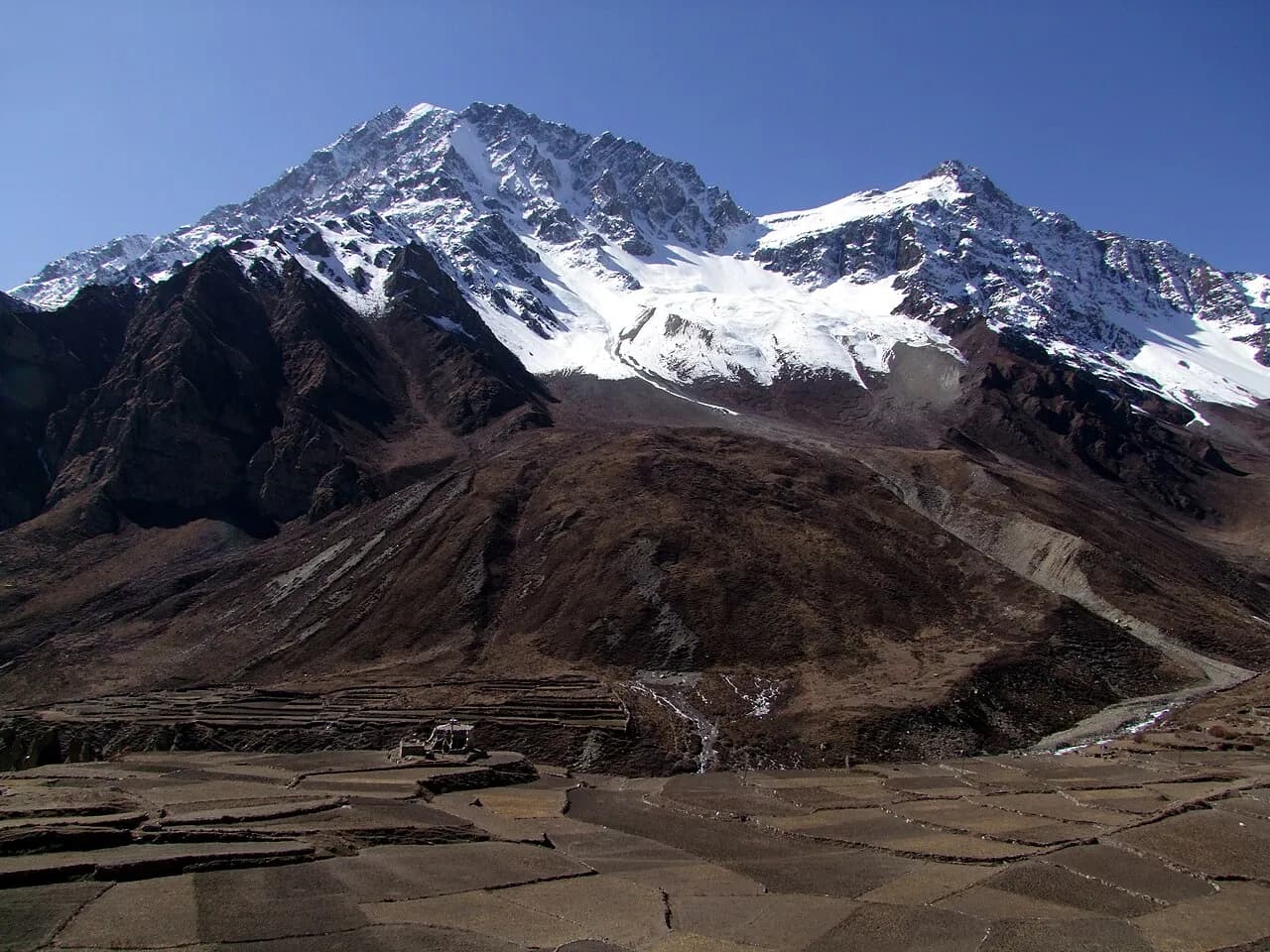
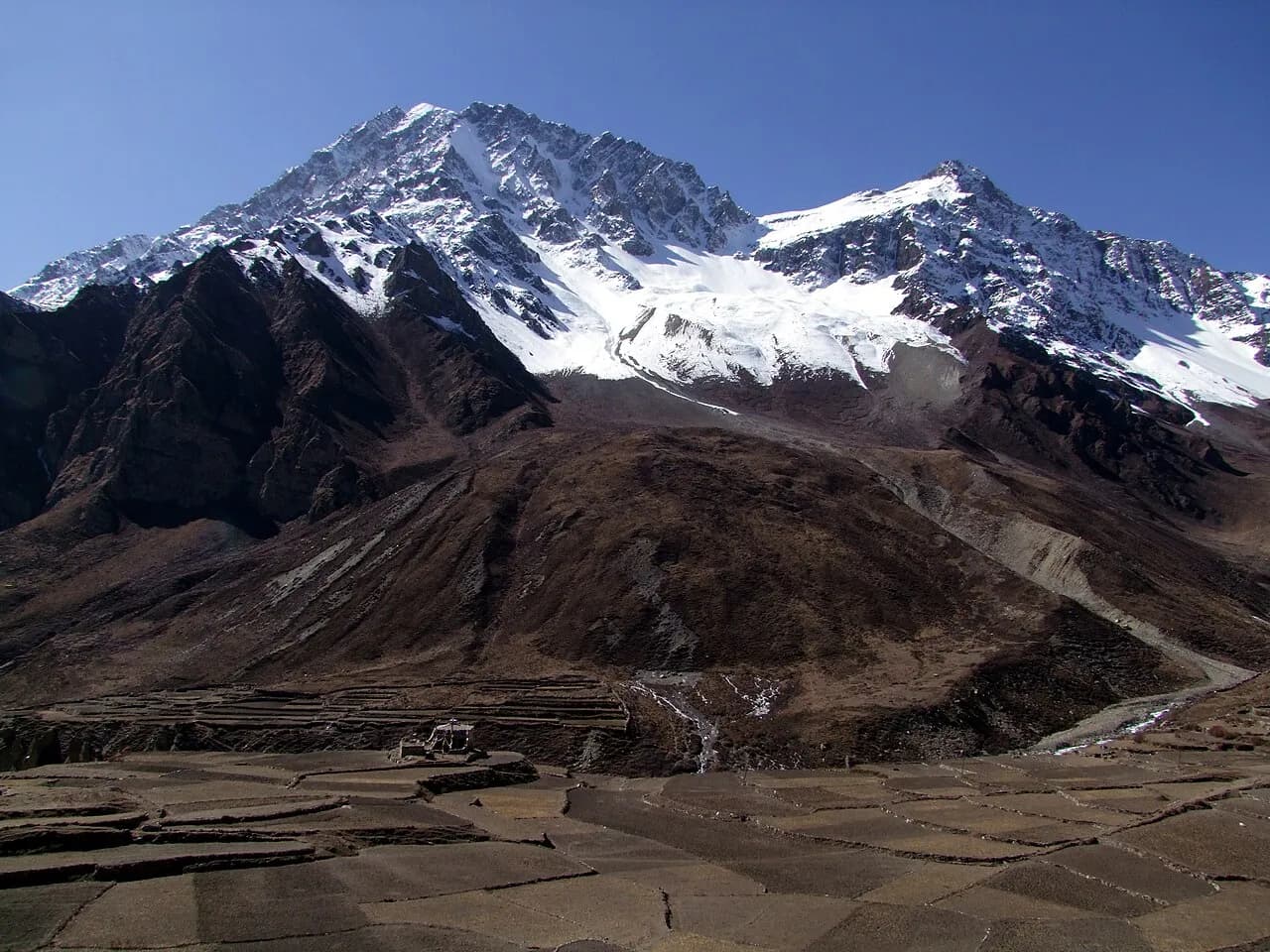
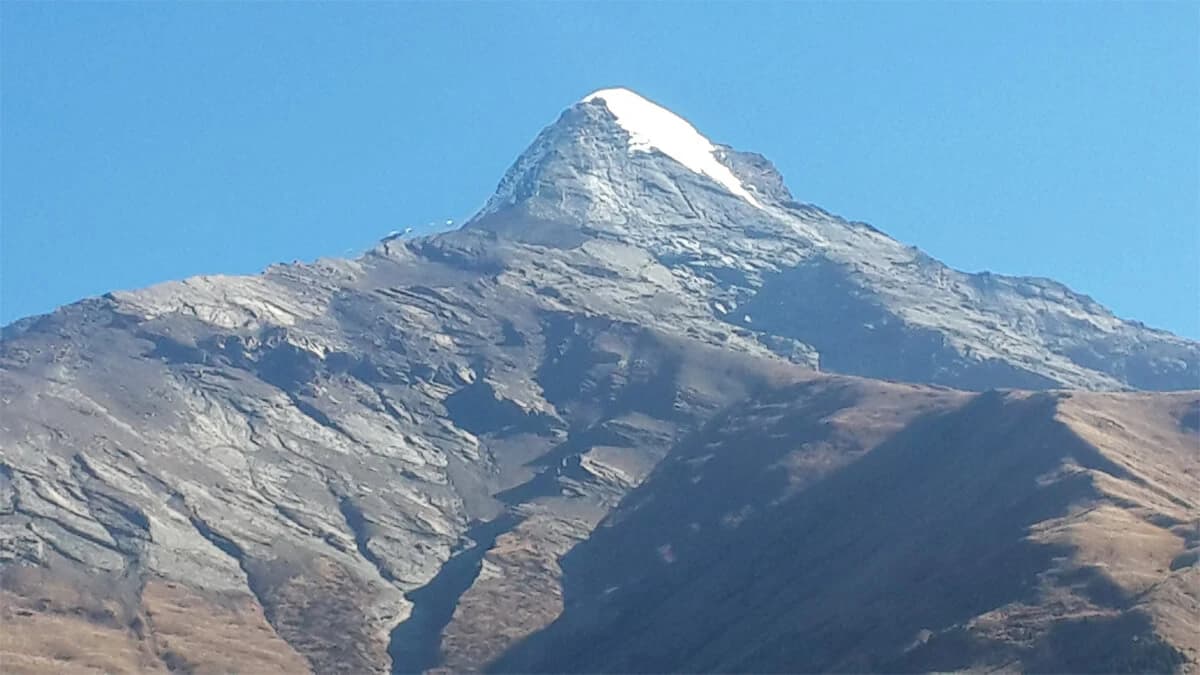
Pisang Peak is a famous climbing mountain of Nepal situated at Manang area within the Annapurna conservation area. Having an elevation of 6,091 meters (19,974 feet), it is among the most frequented by climbers who would like to have their initial Himalayan climbing. This mountain presents an excellent combination of trekking, snow climbing, and breathtaking mountain views and hence a perfect adventure to the individuals who seek more than just a regular trek.
Pisang Peak, a mountain that is located over Pisang village on the renowned Annapurna Circuit route. The climbers would also be able to experience both nature and local culture in the expedition due to its location. The path traverses conventional villages, woodlands and open mountain sceneries, providing the tourists with a full Himalayan experience. Its position in the Annapurna region also makes it a great training peak for climbers preparing for bigger goals such as an everest expedition.
In 1955, a German expedition was the first to make an ascent of Pisang Peak. It has since turned into a popular climbing mountain of trekkers and novice mountaineers. Throughout the years, it has become popular since it is difficult but can still be done by individuals with the basic climbing experience and physical fitness. Pisang Peak is also a good introduction to many climbers who plan to go on to conquer other harder mountains in Nepal.
It is not only a walk up the Pisang Peak. It involves both trekking and technical climbing and thus the journey is exciting and rewarding. Climbers climb high camps and then proceed to snow and ice slopes on their way upwards. There might also be rocky ground in other parts. Fixed ropes are common in steeper sections of the path to assist mountain climbers in their safe arrival at the top.
It is the perfect climbing experience when a person desires to learn and train on mountaineering in the Himalayas. It assists the climbers in the interpretation of equipment use, dealing with altitude and moving safely in the mountain terrain covered with snow. For many, Pisang Peak becomes a valuable preparation climb before planning an everest expedition or other high-altitude challenges.
The Pisang Peak can be classified as a moderate trekking peak. It is not an easy feat compared to big expedition mountains yet it needs preparation, fitness, and will. Climbers must be at ease when walking long days, and must possess a bit of rudimentary experience in using crampons, ice axes, and ropes. Even so that novice climbers can give it a go, it is very essential that experienced climbing guides guide them appropriately.
The spectacular summit view is one of the largest attractions of the Pisang Peak. Climbers are able to see a variety of Himalayan peaks extending all the way to the top which include Annapurna II, Annapurna IV, Gangapurna, and Lamjung Himal. The landscape is really memorable. The summit provides the feeling of accomplishment, as well as an opportunity to view some of the best mountain scenery of Nepal.
The spring and autumn seasons are the best to climb Pisang Peak. Stable weather, clear views, and mild temperatures characterize the pre-monsoon season which is between March and May. The post-monsoon season that is between September and November is quite popular as well since the weather is generally clear and the mountain climate is good. These are the seasons that are deemed to be the safest and most fun climbing seasons.
Climbers require the required permits in order to ascend Pisang Peak. These normally involve a permit by the Nepal Mountaineering Association as well as an entry permit of the Annapurna Conservation Area. Such permits are significant both in legal accessibility, and in conservation efforts in the area. Wise decision is also to organize the climb with the help of a registered trekking or climbing agency to be safe and more organized.
Pisang peak is the most famous as it is challenging enough and yet accessible. It is challenging enough to be considered an actual mountaineering challenge, yet at the same time, it is not too difficult to be approached by novice climbers. The path offers snow and ice climbing training, scenic trekking trails, culture and memorable mountain top views. For this reason, many climbers see it as an excellent practice mountain before attempting an everest expedition.
Pisang Peak is a trekking peak that is best suited in Nepal where an individual wishes to get into Himalayan climbing. It is of medium difficulty, has a height and this place makes it ideal among the adventure lovers who would want to combine trekking and mountaineering. Having a long tradition of climbing the mountain, scenic trail, technical climbing areas, and spectacular views of the mountain peak, the Pisang Peak is an overall mountain experience. It is a perfect choice for climbers seeking both adventure and preparation for future goals such as an everest expedition.
Explore our journey on Instagram, Facebook & TikTok for photos, videos, and stories
Would you like to ask us in email info@himalayanmountaineering.com.
Itinerary
Day 01: Arrival in Kathmandu and meet with our representative at the airport and transfer to Hotel. Welcome drink and short briefing about Pisang Peak Expedition.
Overnight in Hotel - 1400 meter
Day 02: Paper work, gear preparation and more briefing about the trip.
Overnight in Hotel – 1400 meters
Day 03: Drive to Jagat which will be around 7 hours’ drive in private Jeep/Bus.
Overnight in Hotel – 1290 meters
Day 04: Trek to Dharapani with altitude gain and trek of around 6 hours.
Overnight in Lodge – 1860 meters
Day 05: Trek to Chame following old trade route you can see Annapurna 2 and 4 from Chame.
Overnight in Lodge – 2715 meters
Day 06: Trek to Upper Pisang.
Overnight in Lodge - 3185 meters
Day 07: Acclimatization in Upper Pisang. We will hike up the mountain where we can see annapunra, gangapurna and Tilicho peak.
Overnight in Lodge – 3185 meters
Day 08: Trek to Pisang Peak Base Camp through yak grass field. We will setup up our tent in base camp. You can see a beautiful view of Pisang Peak in this place.
Overnight in Tent - 4380 meters
Day 09-12: Climbing Days where we will setup one high camp at 5400 meters on day 10 and push for summit. We have 2 more extra days in case of bad weather or something. This will be very long day where we will be trekking and climbing for more than 12 hours in total.
Overnight in Tent - 5045 meters
Day 13: Trek to beautiful village of Manang.
Overnight in Lodge – 3350 meters
Day 14: Trek to Yak Kharka for around 4 hours.
Overnight in Lodge - 4130 meters
Day 15: Trek to Thorong Phedi with a regular trek of 4-5 hours.
Overnight in Lodge - 4400 meters
Day 16: Trek to Muktinath via Thorung-La pass. This is most famous pass of Nepal in Annapurna Circuit of 5416 meter. We will stay in a nice hotel in Muktinath after the Pass. This will be a really long day of 8-9 hours trek.
Overnight in Lodge - 3710 meters
Day 17: Trek to Jomsom.
Overnight in Hotel – 2700 meters
Day 18: Fly to Pokhara
Overnight in Hotel - 800 meters
Day 19: Rest day and Sightseeing of Pokhara
Overnight in Hotel – 800 meters
Day 20: Drive to Kathmandu in a Tourist Bus/Jeep
Overnight in Hotel – 1400 meters
Day 21: Final Departure to International Airport after Breakfast
Gallery
Trip Inquiry
Send your questions, preferred dates, group size, or expedition requirements and our team will get back to you.